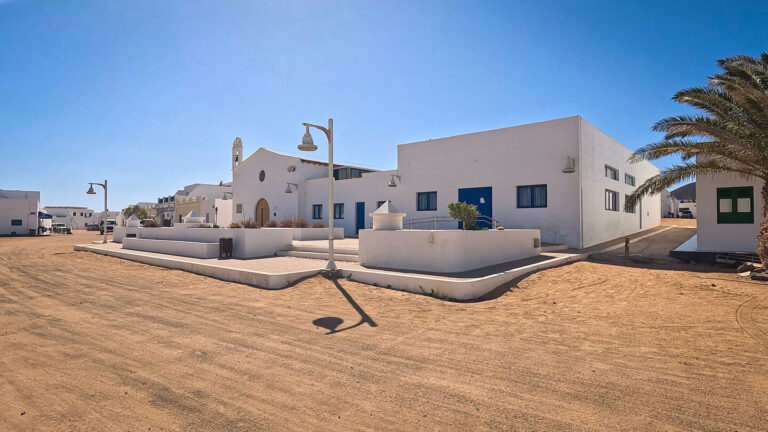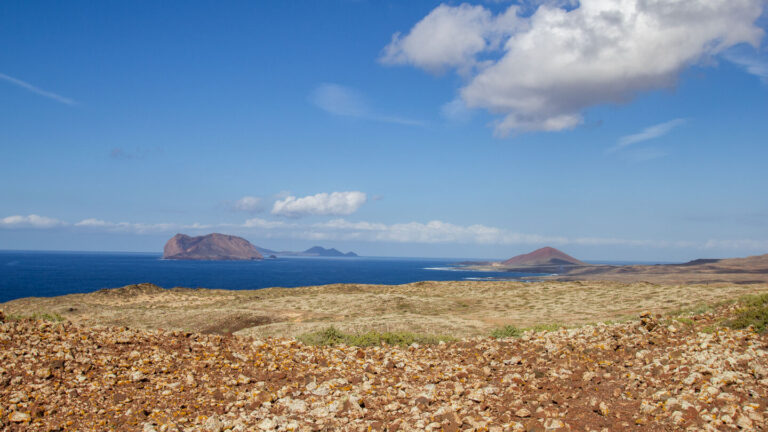
70,000 hectares of protected sea – the La Graciosa Marine Park
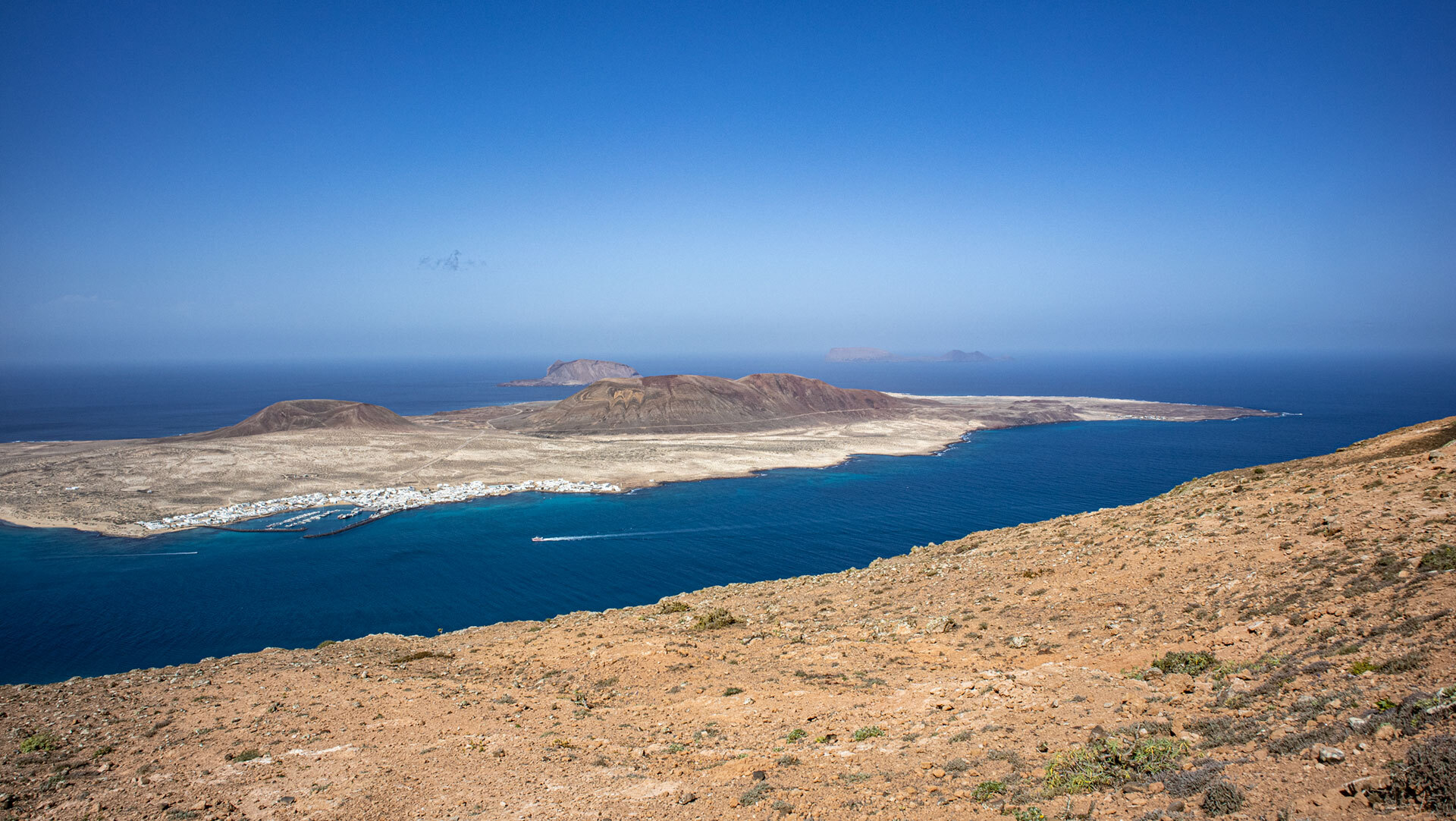
The term Reserva Marina del Archipiélago Chinijo sounds abstract. The reality is very real: 70,000 hectares of the Atlantic Ocean, where strict conservation rules have been in place for decades. The result is clear to see: 228 species of fish, sea turtles unafraid of humans, angel sharks in winter, and barracudas in shoals. Europe’s largest marine reserve lies just off the coast of La Graciosa.
What the Reserva Marina protects
228 species of fish – and why that is extraordinary
228 species of fish in a single marine reserve: this is no natural wonder – it is the result of consistent conservation efforts. Compared to unprotected coastal areas in the Canary Islands, the biomass in the Reserva Marina is significantly higher; the fish are larger and show less tendency to flee.
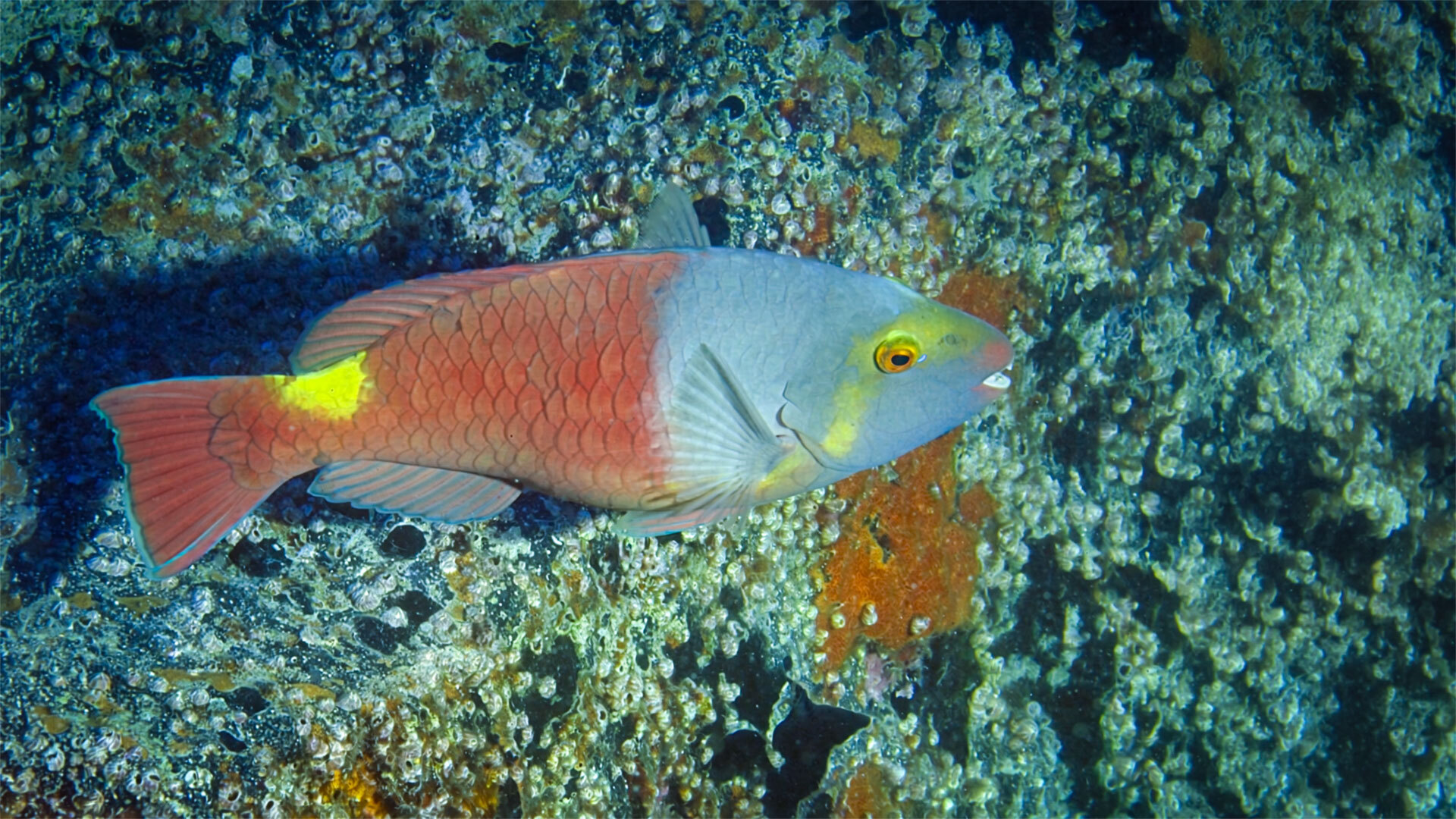
| Biodiversity in the Reserva Marina | |
|---|---|
| Total fish species | 228 – throughout the Reserva Marina |
| Endemic invertebrates | 14 on La Graciosa |
| sea turtles | All year round – particularly in summer/autumn |
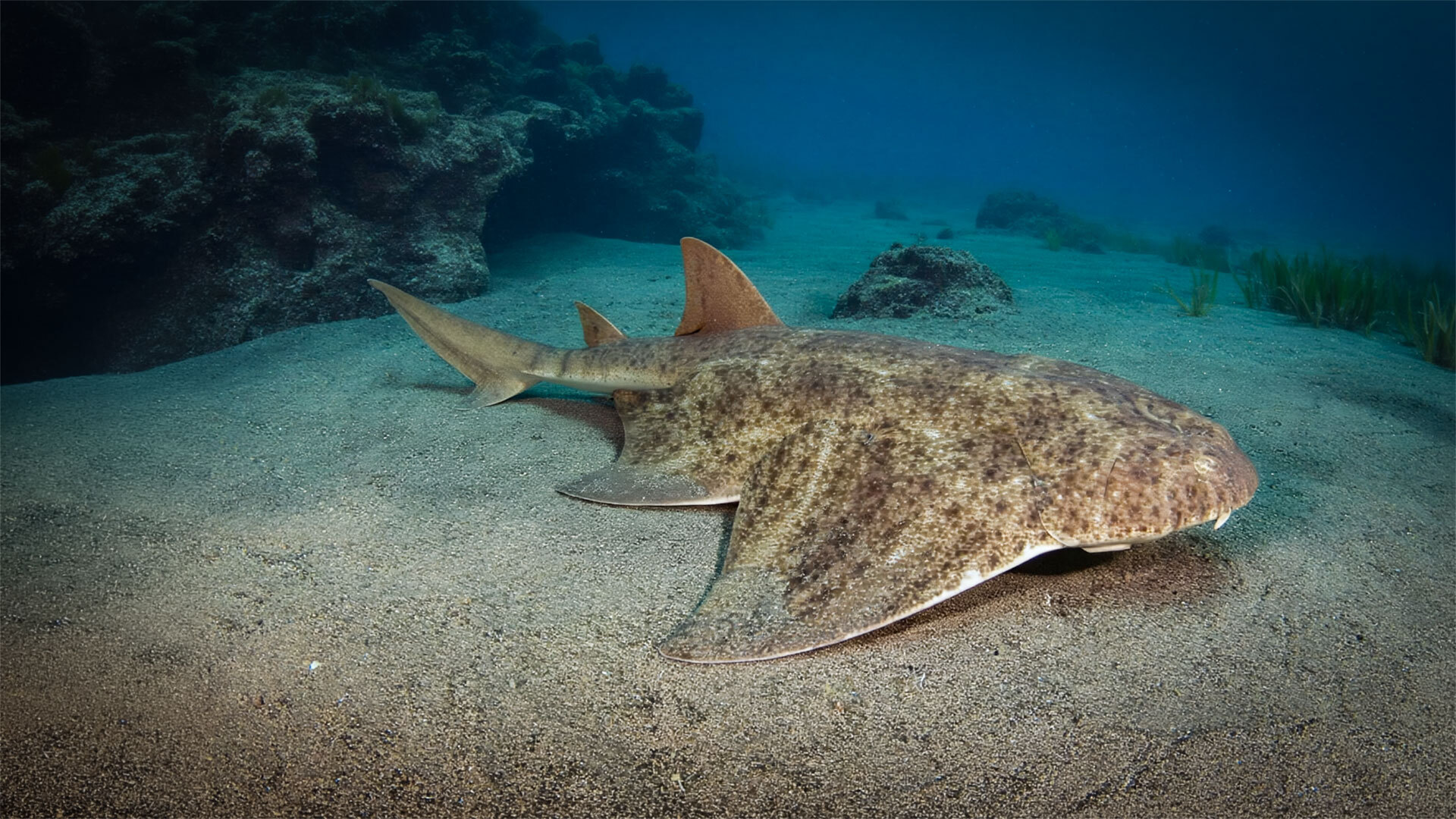
| angel sharks | December–March on sandy seabeds |
| Barracudas | All year round – particularly at La Burrera |
| Dolphins | All year round – west coast |
Angel sharks: the flying sharks
Angel sharks (Squatina squatina) are not typical sharks – they are flattened and lie flat in the sand, almost invisible. From December to March, they come into the shallow waters around La Graciosaparticularly at Montaña AmarillaDives to the angel shark areas are the highlight of the winter diving trips.
The zones of the marine reserve
Core zone: strict protection
The core zone of the Marine Reserve is subject to the strictest protection regulations: no commercial fishing, no trawling, no spearfishing. Diving is permitted only with a licence or when accompanied by an authorised diving centre.
Buffer zone: restricted use
In the buffer zone, small-scale fishing is permitted subject to restrictions. Snorkelling and diving accompanied by a guide are permitted. This is the area where most diving and snorkelling tours take place.
Diving in the Reserva Marina
Dive sites
| Top dive sites in the Reserva Marina | |
|---|---|
| El Jameo | Underwater lava tunnel · groupers, barracudas · intermediate |
| La Burrera | Rocky reef · large schools of barracuda · all levels |
| Montaña Amarilla | Underwater volcano · angel sharks (Dec–March) · all levels |
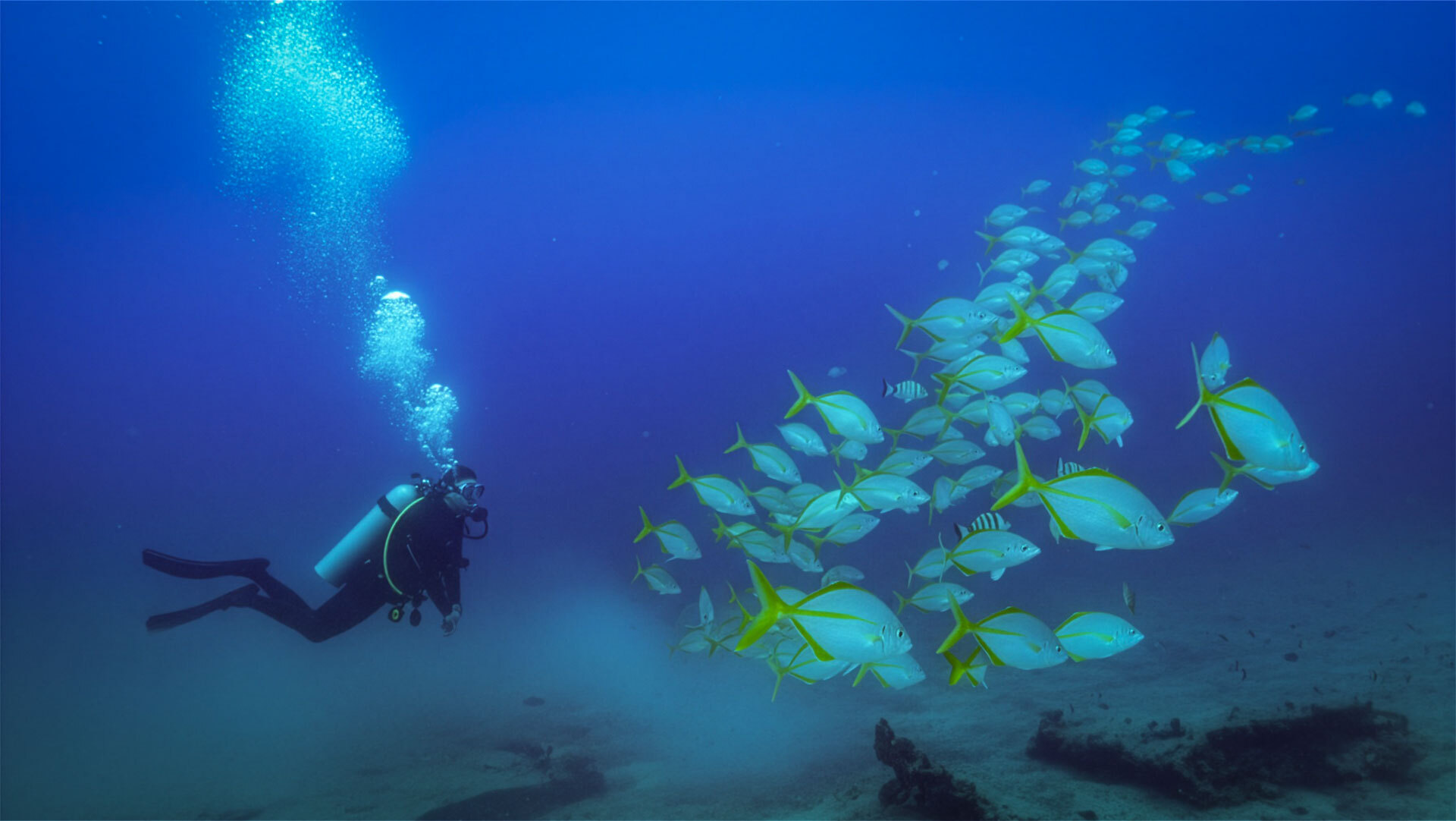
Buceo La Graciosa (buceolagraciosa.com · +34 629 451 430) is the only authorised diving centre on La Graciosa. All dives in the Marine Reserve must be carried out with this operator or another authorised centre.
Nature conservation — mandatory notice
- Wild camping prohibited – without exception across the entire island
- Campfires prohibited – including on the beach
- Cycling permitted only on designated tracks
- Entry to Montaña Clara, Roque del Este and Roque del Oeste is prohibited
- Archipiélago Chinijo Nature Park · Lanzarote UNESCO Biosphere Reserve since 1993
- Reserva Marina del Archipiélago Chinijo – 70,000 ha, Europe’s largest marine reserve
In the core zone: no. All dives must be organised through an authorised diving centre (Buceo La Graciosa). Snorkelling on the surface is permitted everywhere without a guide.
The combination of its size (70,000 ha), strict protection over decades and geographical remoteness. The recovery of fish stocks is clearly visible.
Conclusion
- The Reserva Marina del Archipiélago Chinijo is Europe’s largest marine reserve – and you can experience it for yourself.
- 228 species of fish, angel sharks, turtles, barracudas: this is the result of conservation efforts.
- Snorkelling: possible everywhere. Diving: only with Buceo La Graciosa.
This article is based on on-site research by the go-la-graciosa.com editorial team. Last updated: April 2026