Travelling without causing damage – sustainability on La Graciosa
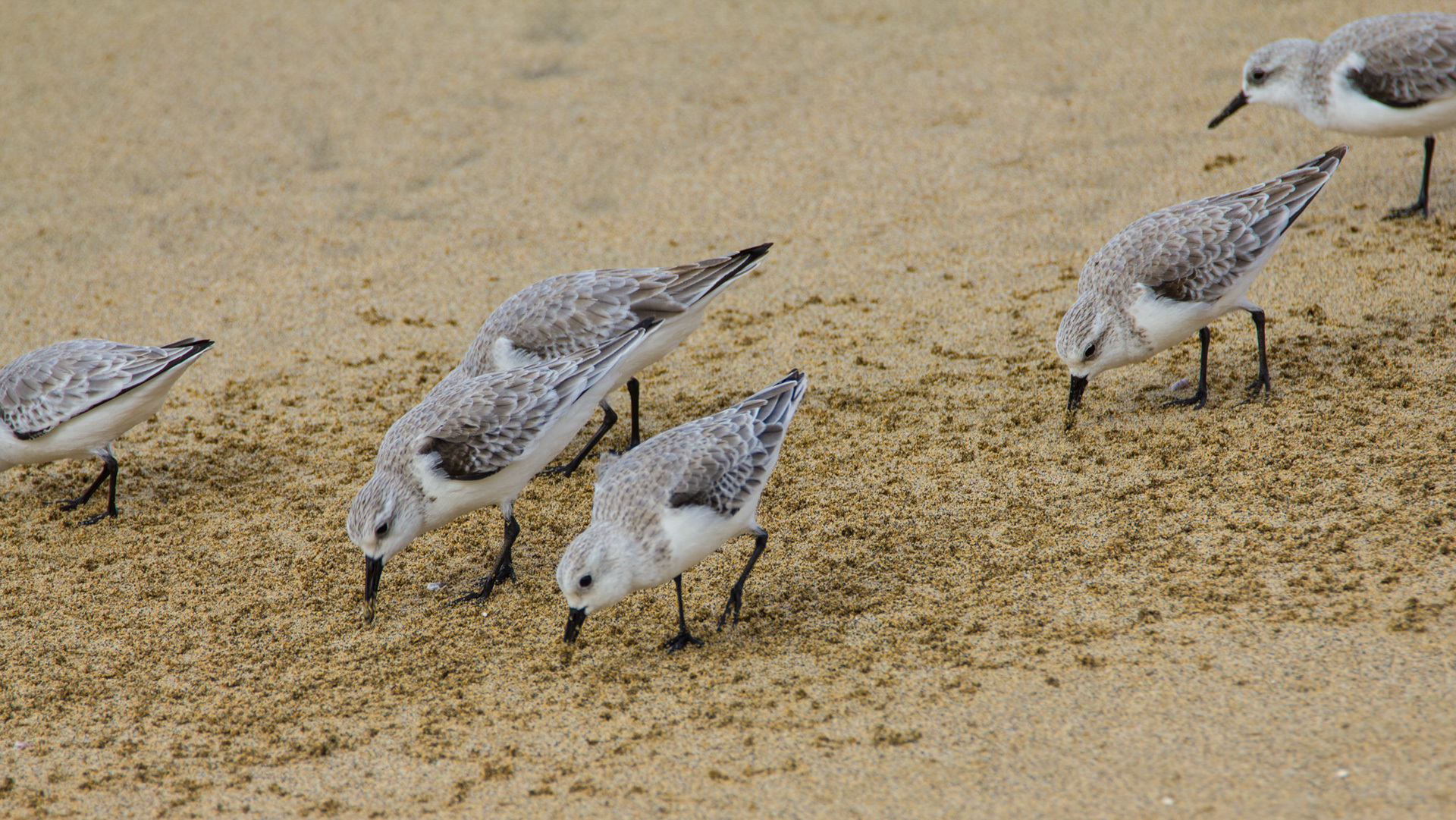
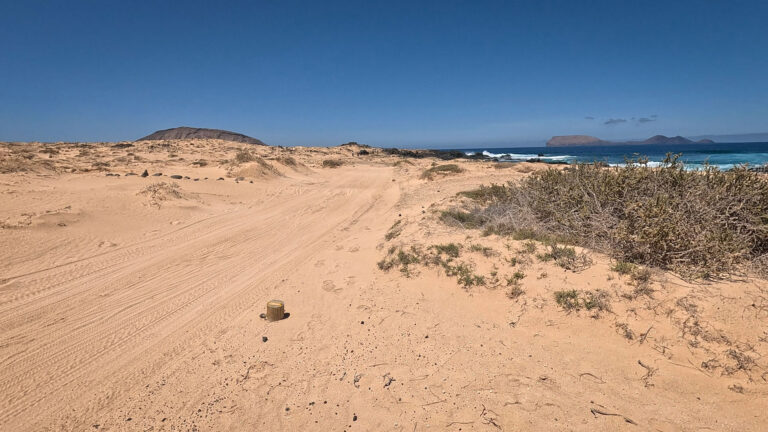
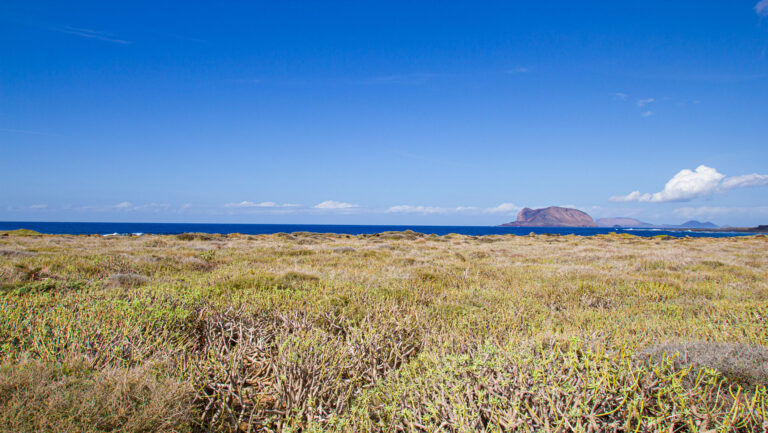
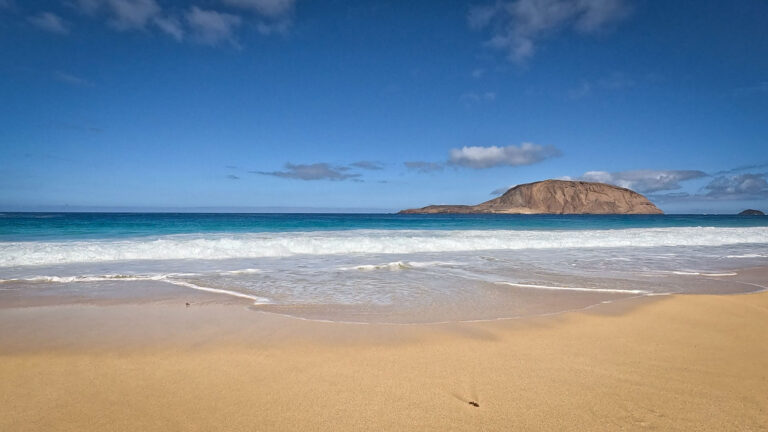
La Graciosa is fragile. Not in a physical sense – the volcanic rocks will still be standing when all the other islands have long since sunk. But ecologically. The Archipiélago Chinijo Nature Park, das UNESCO Biosphere Reserve, die Marine Reserve – all of these protect an ecosystem that depends on balance. And tourists are part of that equation.
What sustainable travel on La Graciosa means
Know the rules – and follow them
| Rules for visitors | |
|---|---|
| Wild camping | Prohibited – without exception |
| Campfires | Prohibited – even on the beach |
| Drones | Only with permission |
| Sun protection | Choose mineral-based sun cream – chemical-based products harm the Marine Reserve |
| Rubbish | Take everything with you – there is no rubbish collection system on the beaches |
| Plants/animals | Do not take anything – no picking, no photography with flash |
| Off-piste | Prohibited – use only marked paths and tracks |
A bike instead of a jeep
Every visitor who chooses a bike over a jeep taxi reduces their environmental footprint. This isn’t ideology – it’s maths. E-bike is the ideal compromise for anyone who doesn’t want to compromise on comfort.
Supporting the local economy
Eat and shop locally
Anyone who eats at one of the local restaurants – Restaurante Enriqueta, Bar El Veril, Rosa La Graciosa – keeps money on the island. Anyone who shops at the supermarket, which is supplied by ferry, supports the supply infrastructure. Small decisions, big impact.
How many visitors is enough?
La Graciosa has no official visitor limit. However, the capacity of the ferry and the infrastructure sets natural limits. The island can cope with tourism – but not all forms of tourism. Anyone who arrives and departs with respect is welcome.
Nature conservation
- Wild camping prohibited
- Campfires prohibited
- Cycling permitted only on designated tracks
- Archipiélago Chinijo Nature Park · Lanzarote UNESCO Biosphere Reserve · Marine Reserve del Archipiélago Chinijo (70,000 ha)
The local guesthouses and holiday flats are small and owner-run – by their very nature more sustainable than international hotel chains.
Yes – responsible tourism supports the local economy and raises awareness of nature conservation. Mass, inconsiderate tourism is harmful. The difference lies in behaviour.
Conclusion
- Sustainability on La Graciosa isn’t a bonus – it’s a prerequisite.
- Follow the rules, buy locally, take your rubbish away, use mineral-based sun cream.
- Those who visit with respect will find an island that is still the same as it has always been.
This article is based on on-site research by the go-la-graciosa.com editorial team. Last updated: April 2026