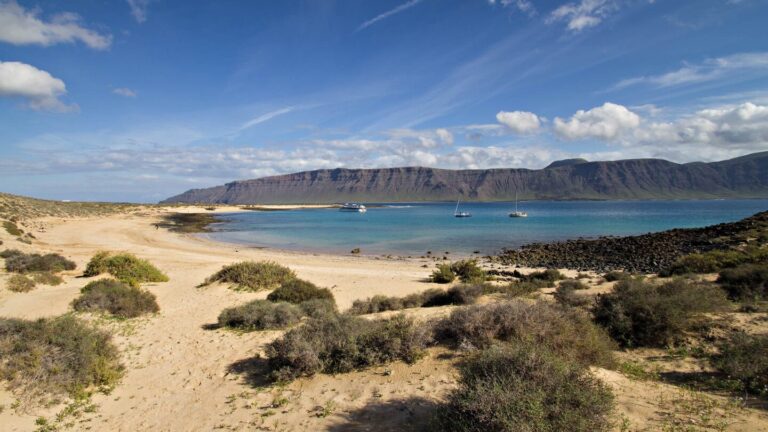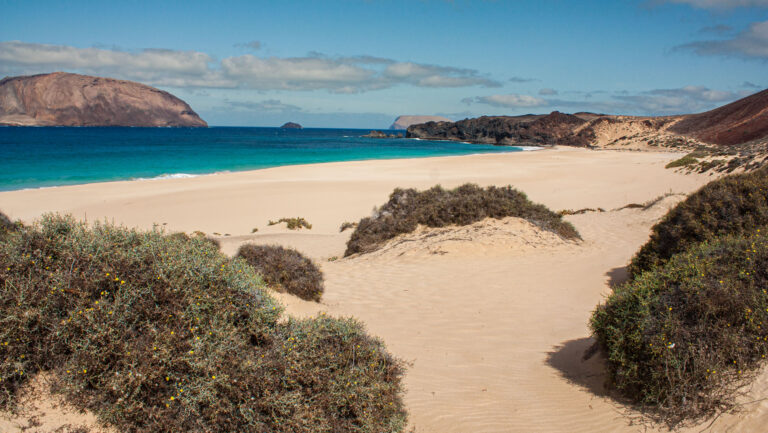
From a fishing village to a natural paradise – the history of La Graciosa
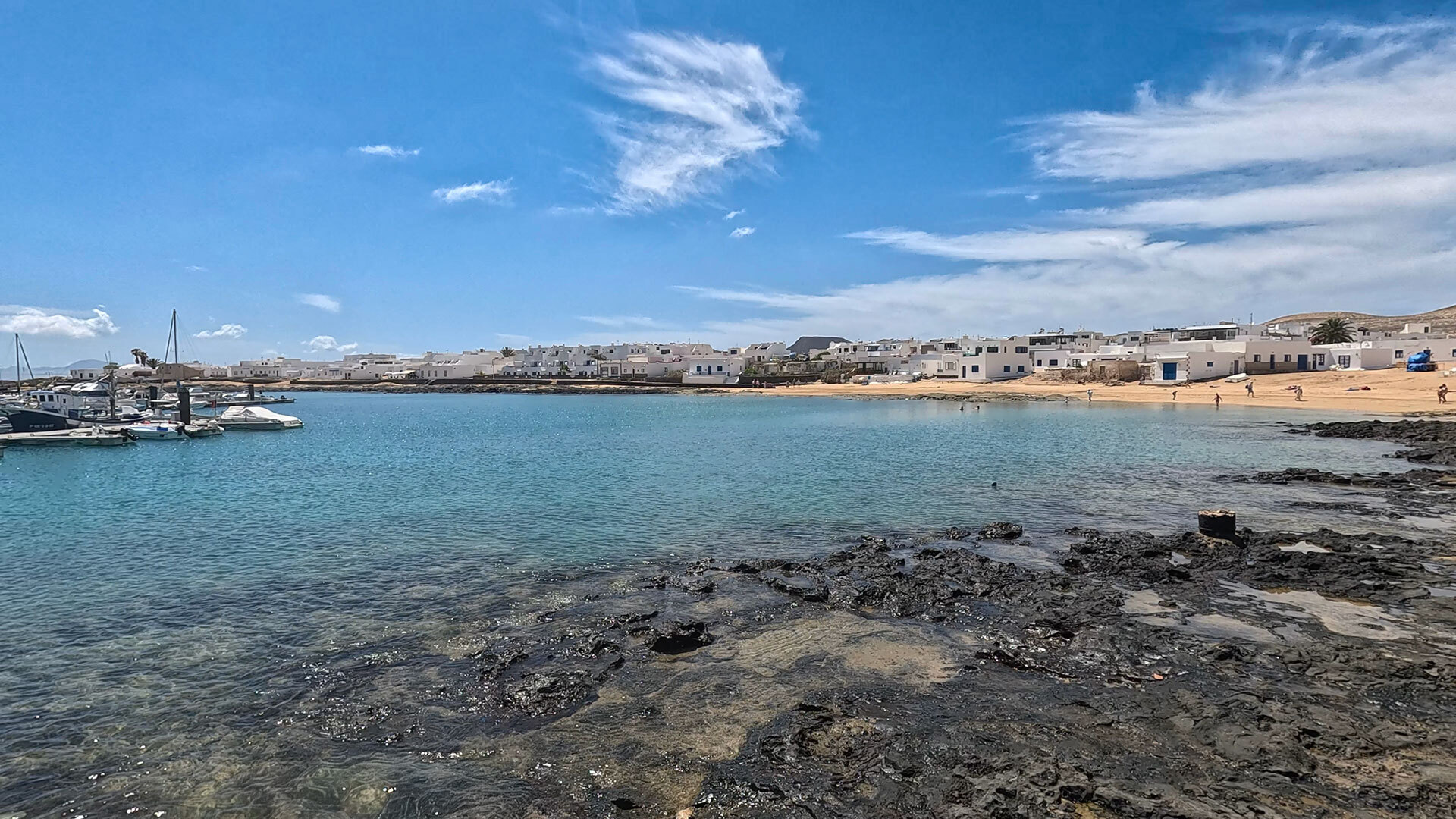
La Graciosa has a history you won’t find in travel guides – because it was never dramatic enough for the grand narratives. No conquistadors, no gold mines, no major battles. Just fishermen, wind, ferries and, eventually, a nature conservation law that changed everything.
Early history: fishing and tranquillity
Before permanent settlement
La Graciosa was discovered by the Spanish in the 14th century – but was not permanently settled. The island was considered too small, too arid, too unproductive. Fishermen used it as a temporary stopover: they came, fished, and left again.
Pedro Barba: the first village
Pedro Barba in the north was the first permanently inhabited settlement. A fish canning factory provided the impetus: workers arrived, families followed, and a village emerged. When the factory closed, people moved further south – to the emerging Caleta del Sebo.
The 20th century: Caleta del Sebo grows
The fishing village becomes the only village
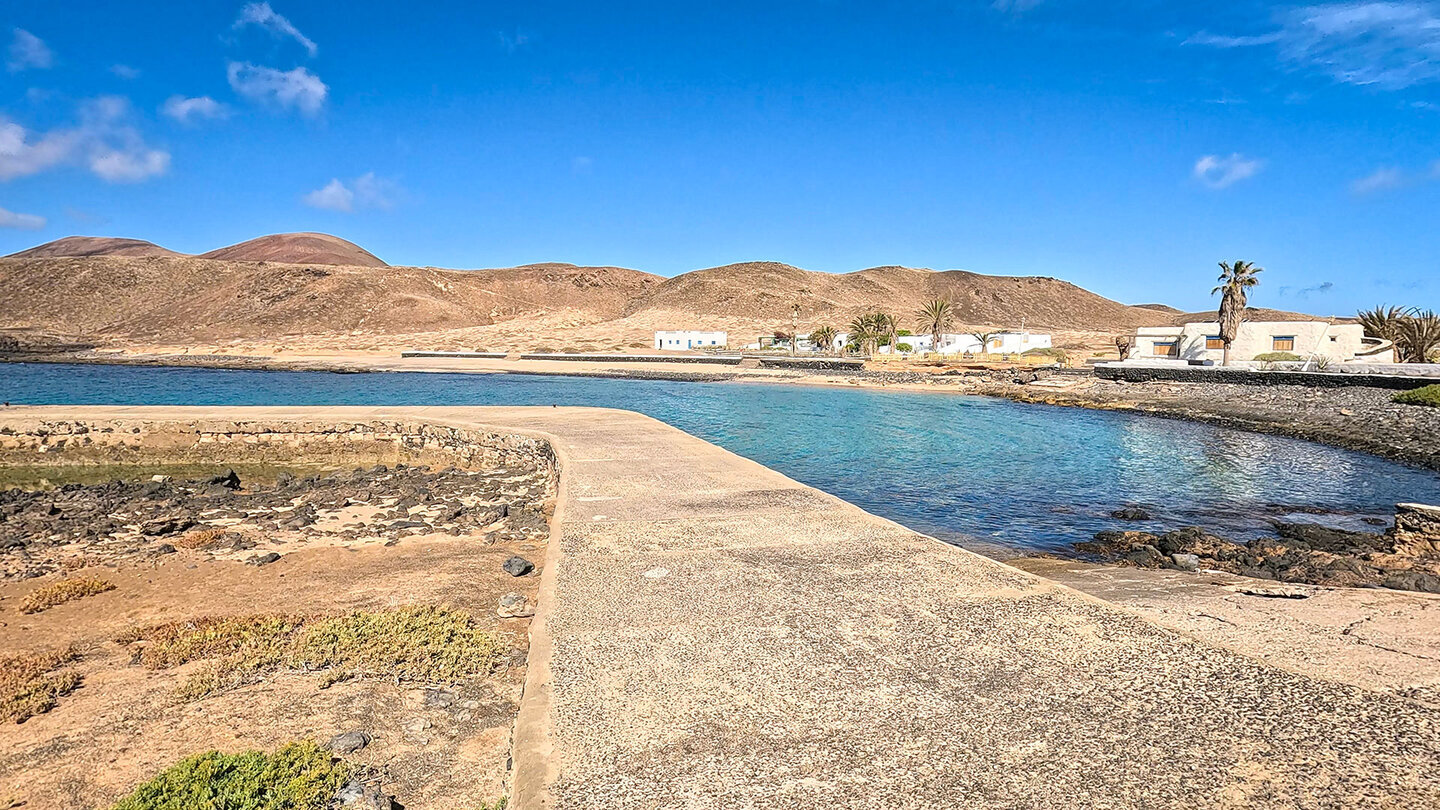
Caleta del Sebo developed in the 20th century into the only permanently inhabited settlement on La GraciosaFishermen from Lanzarote and the mainland settled there. Infrastructure was established: a church, a harbour and a ferry service.
1986–2018: The path to becoming a protected island
Nature reserve and UNESCO status
1986: the Chinijo Archipelago becomes a nature reserve. 1993: La Graciosa becomes part of the UNESCO Lanzarote Biosphere Reserve. 2018: La Graciosa is officially recognised as 8th Canary Island Three milestones that have transformed the island – though this may not be apparent at first glance.
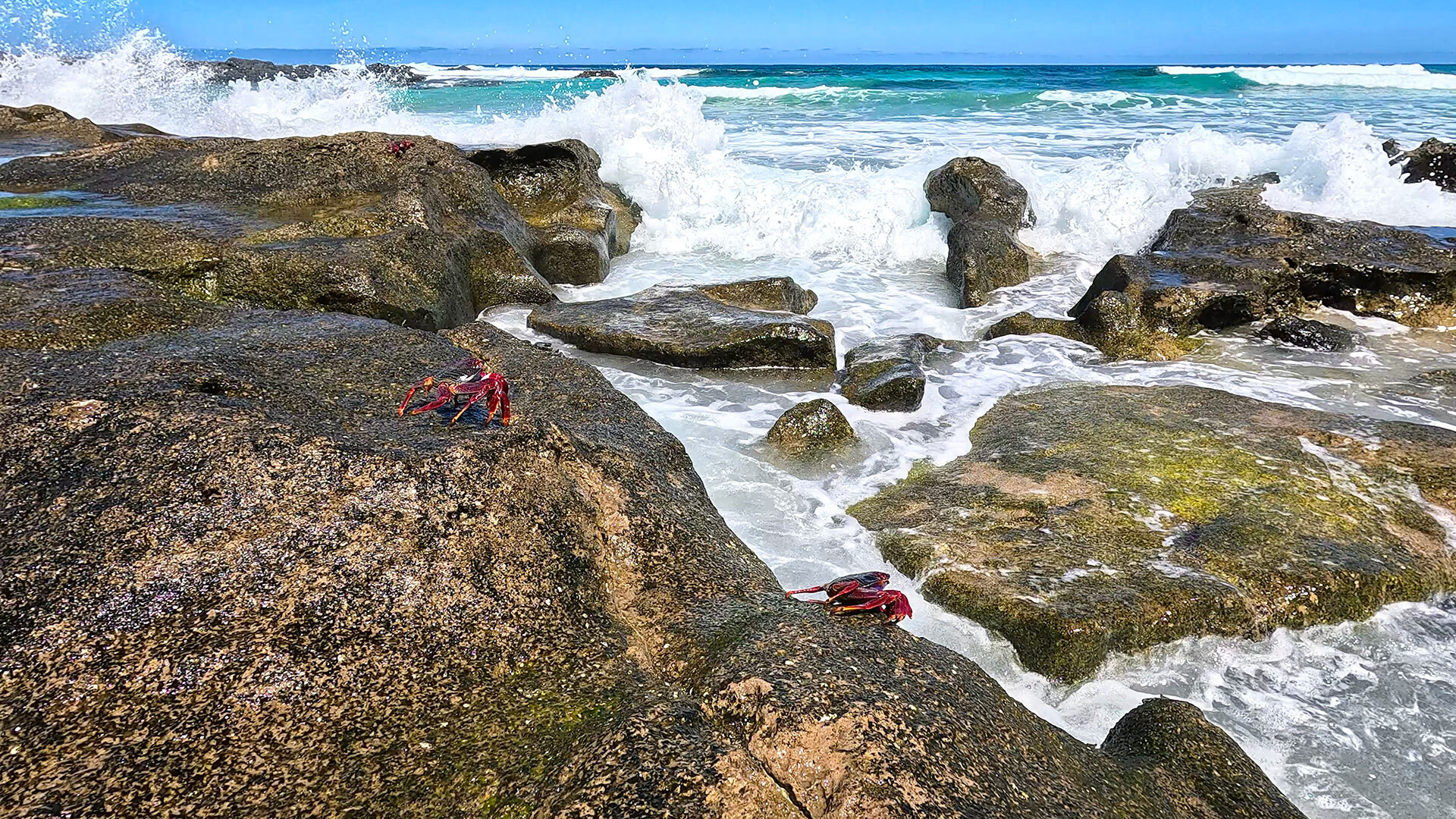
Nature conservation
- Wild camping prohibited
- Campfires prohibited
- Archipiélago Chinijo Nature Park · Lanzarote UNESCO Biosphere Reserve · Reserva Marina del Archipiélago Chinijo (70,000 ha)
La Graciosa lay on the Atlantic trade routes – attacks by corsairs and pirates are historically documented. The island did not develop its own pirate history.
Administrative inertia and political complexity. Its geographical distinctiveness was always clear – legal recognition took longer.
Conclusion
- La Graciosa has an unspectacular but honest history: fishermen, ferries, nature conservation.
- The three key dates: 1986 (nature reserve), 1993 (UNESCO), 2018 (8th Canary Island).
- What remains: an island whose character is shaped by its history.
This article is based on on-site research by the go-la-graciosa.com editorial team. As of April 2026