Volcanoes, dunes, the Atlantic – nature on La Graciosa
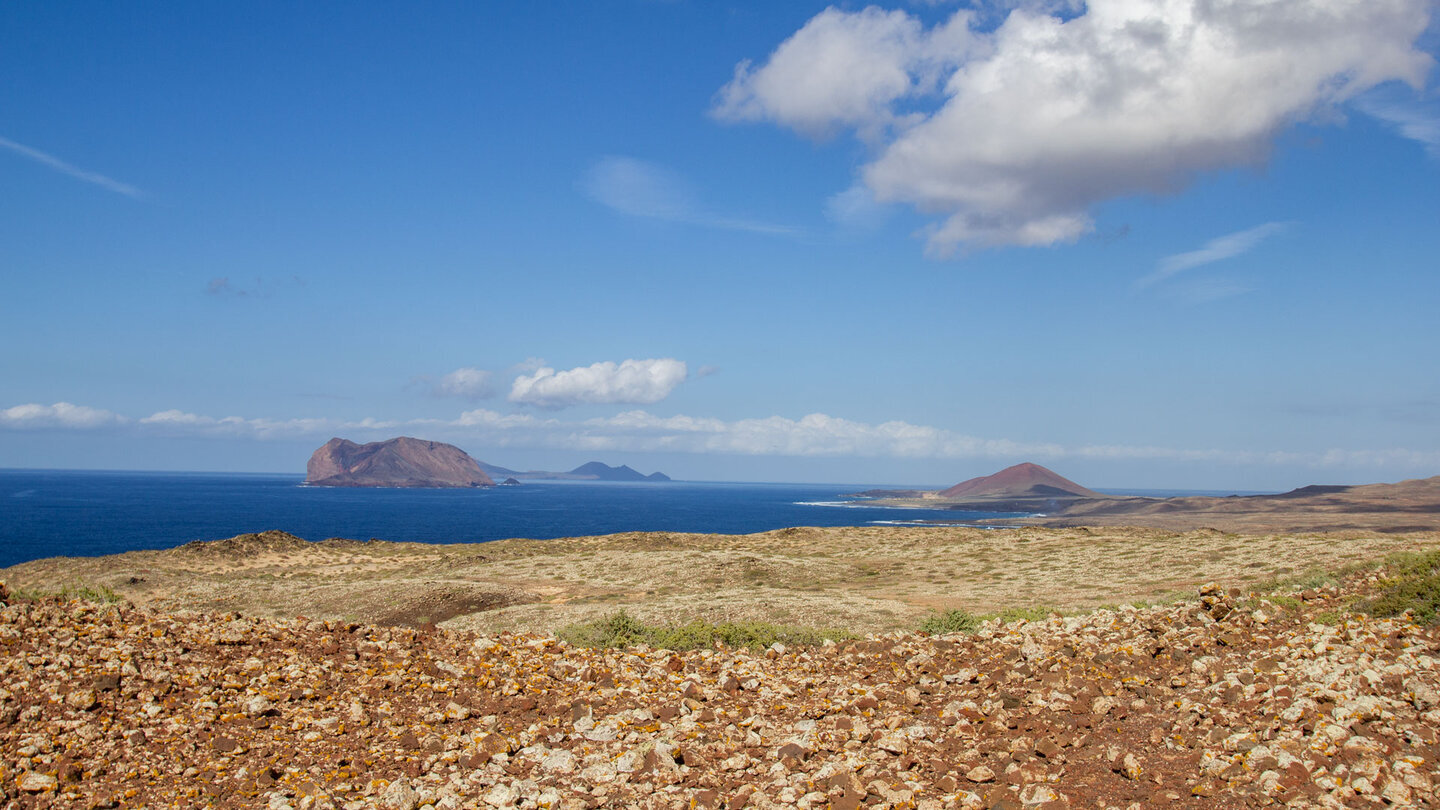
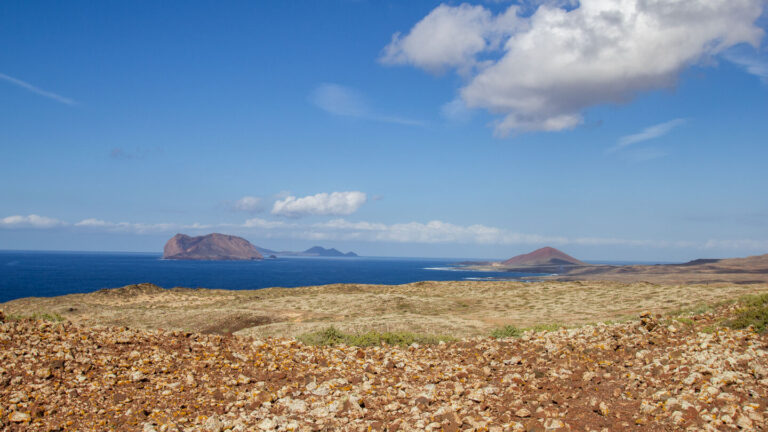
La Graciosa is a natural island. Not in the tourist sense – but as a description. 29 km² of volcanic cones, basalt coasts, sand dunes and the turquoise Atlantic. No tarmac roads beyond the village limits, no industrial estates, no mountains of rubbish. The island is what it has always been: unspoilt, rugged, authentic.
What makes nature on La Graciosa unique: the combination of protected status and accessibility. The Archipiélago Chinijo Nature Park, das UNESCO Biosphere Reserve and the Marine Reserve protect everything from top to bottom. And yet you can still go hiking, snorkelling and cycling here – and experience it all up close.
Geology: Fire beneath the surface
Volcanic cones and tuff
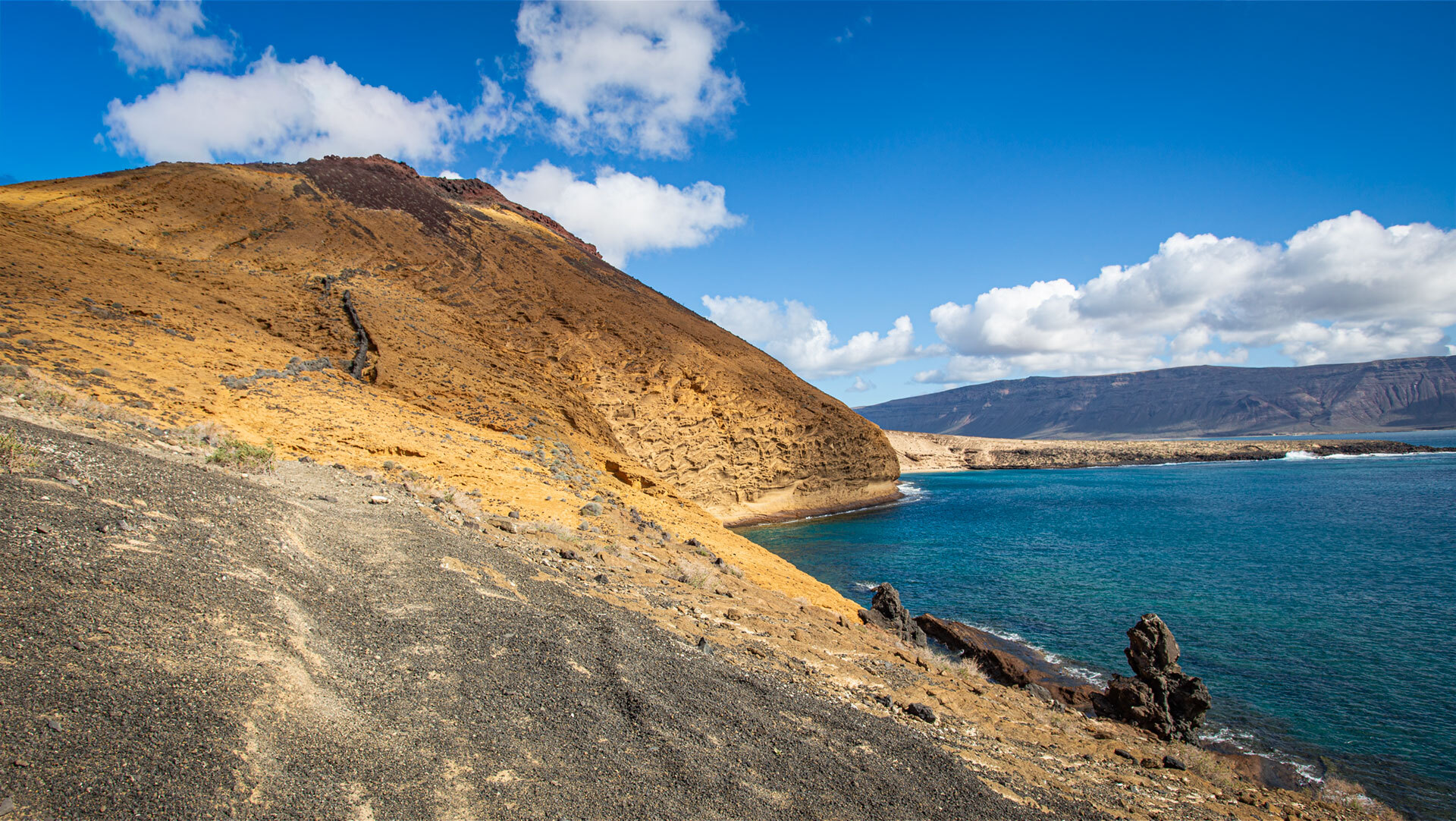
Montaña Amarilla (172 m)yellow-red due to hydrovolcanism – seawater came into contact with hot magma, leaving behind the characteristic colour of the tuff. Montaña Bermeja (157 m)red basalt in the north, from which the ‘red mountain’ takes its name. Las Agujas Grandes (266 m)the island’s highest point, jagged lava spires.
Basalt coasts and lava bays
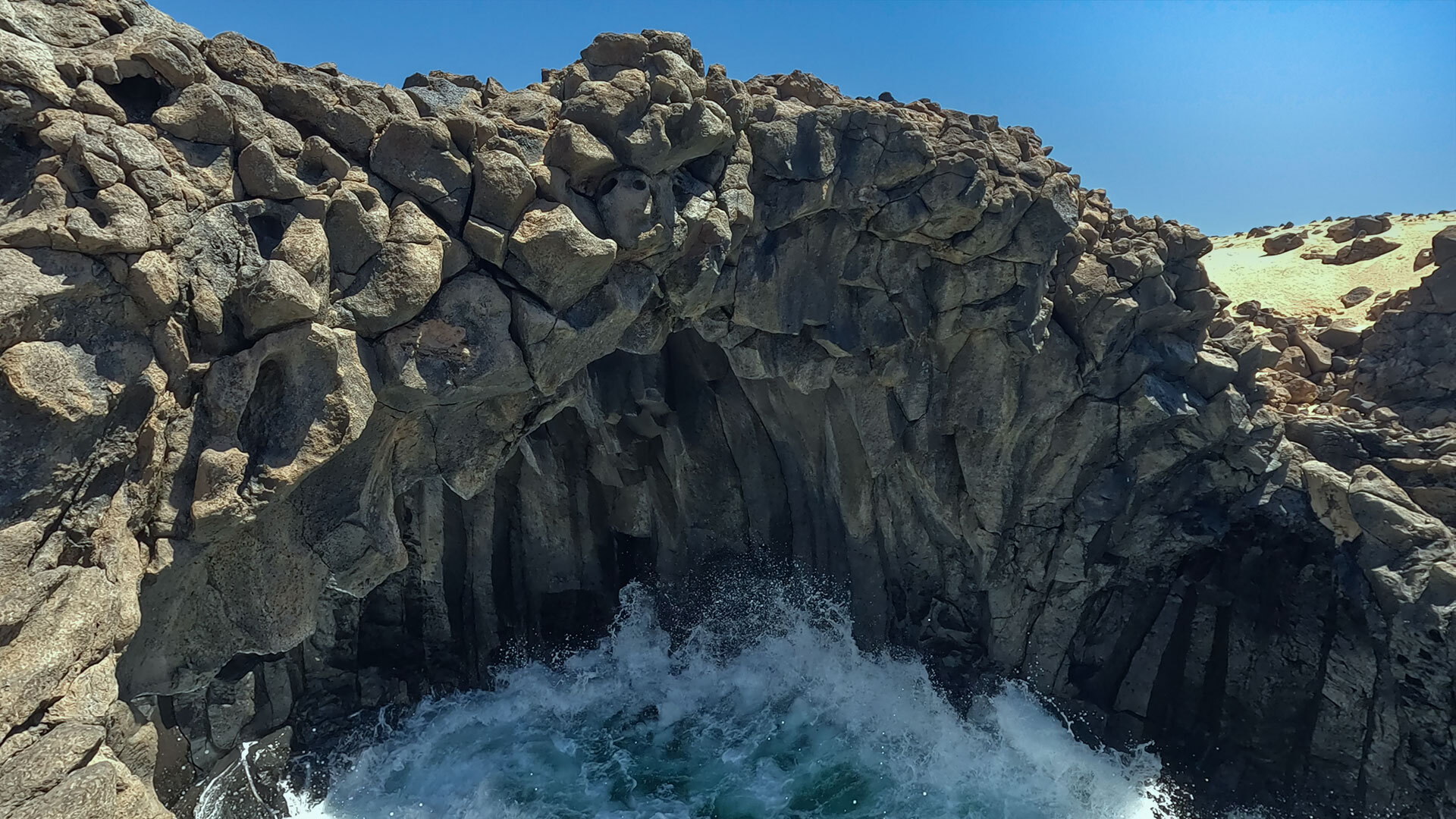
The north coast of La Graciosa is the antithesis of the Caribbean – red, black, rugged, shaped by the waves. Los Arcos de los Caletonesstacked basalt arches, shaped by millennia of wave erosion. The sea has left behind sculptures here.
Fauna: what lives on and around La Graciosa
Birds: ospreys and Eleonora’s falcons
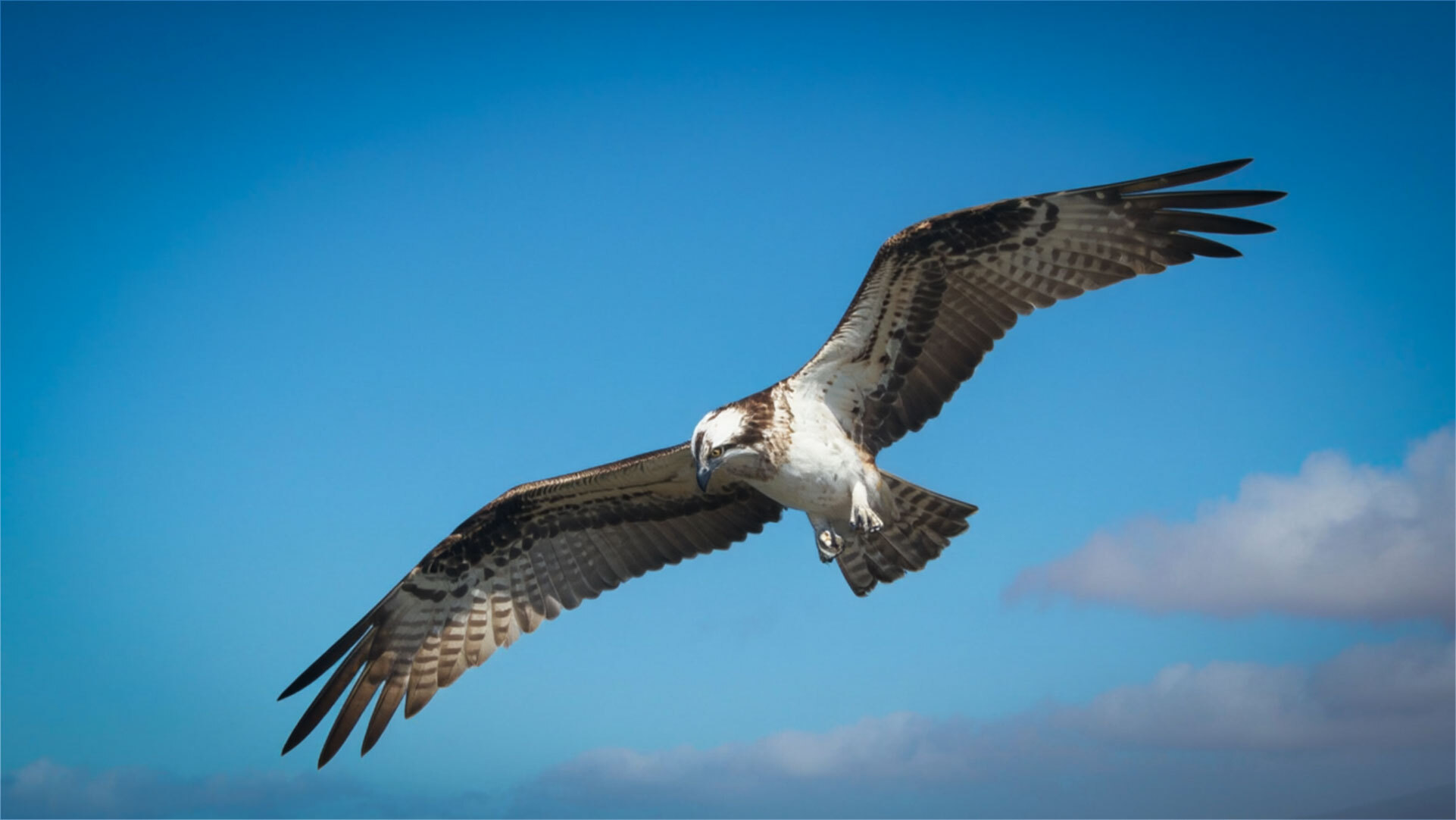
Ospreys breed on Montaña Clara and Alegranza. Eleonora’s falcons use the neighbouring islands as a stopover during their migration. Yellow-billed Shearwater breed in rock caves. La Graciosa itself is not a breeding ground – but the neighbouring islands are within easy reach.
Sea: turtles, angel sharks, dolphins
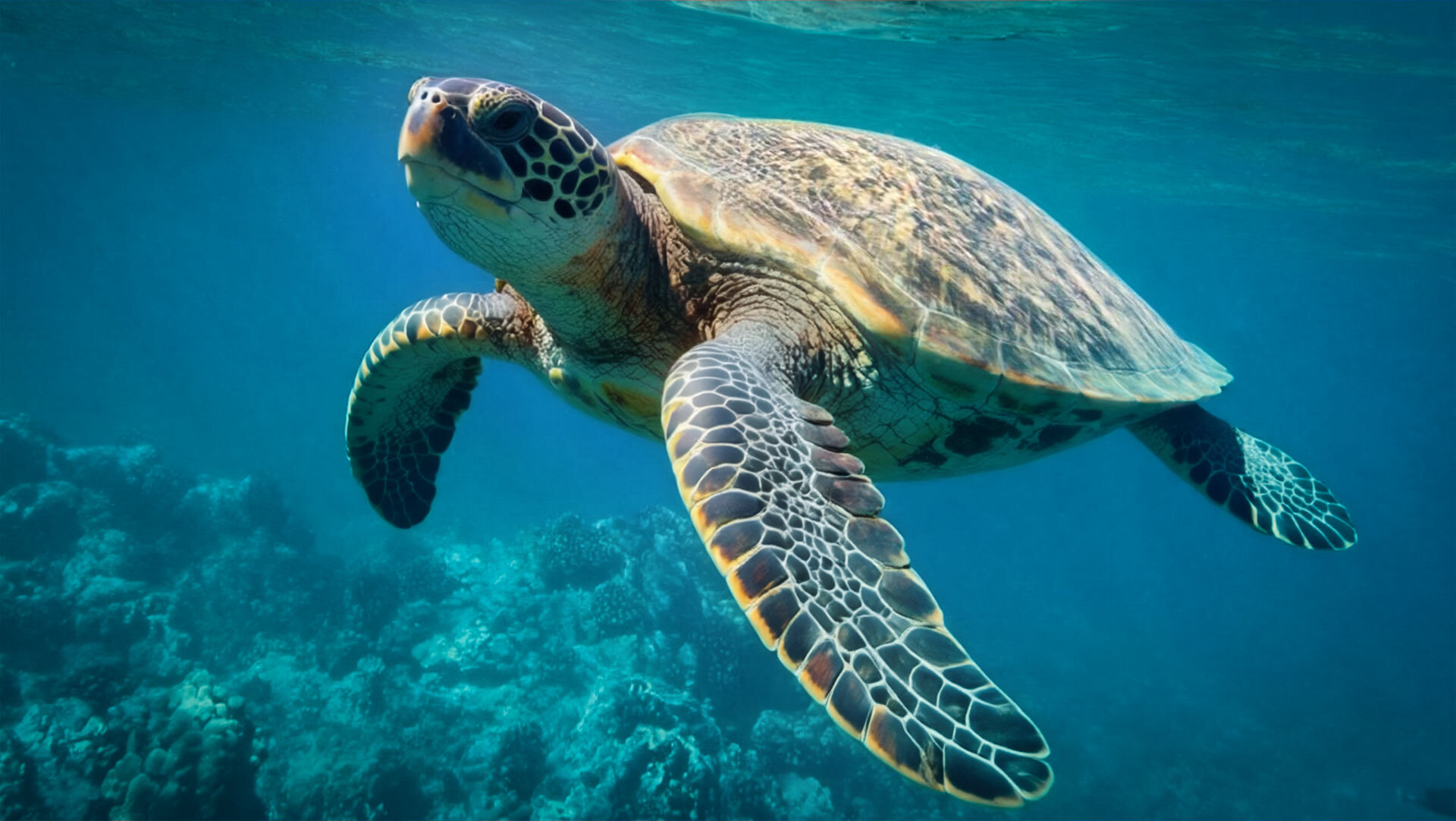
Sea turtles all year round, angel sharks December to March, dolphins off the west coast, Rays in shallow water. 228 species of fish in the Marine Reserve – this is no coincidence; it is the result of decades of conservation efforts.
An overview of the protected areas
| Protected areas | |
|---|---|
| Archipiélago Chinijo Nature Park | La Graciosa + 4 uninhabited islands – since 1986 |
| UNESCO Lanzarote Biosphere Reserve | Since 1993 – with La Graciosa right at its heart |
| Marine Reserve del Archipiélago Chinijo | 70,000 ha – Europe’s largest marine reserve |
| Integral Nature Reserve | Montaña Clara, Alegranza, Roques – since 1994 |
Nature conservation – mandatory notice
- Wild camping prohibited – without exception across the entire island
- Campfires prohibited – including on the beach
- Vehicles, including bicycles, permitted only on designated tracks
- Entry to Montaña Clara, Roque del Este and Roque del Oeste prohibited
- Archipiélago Chinijo Nature Park · Lanzarote UNESCO Biosphere Reserve since 1993
- Archipiélago Chinijo Marine Reserve – 70,000 ha, Europe’s largest marine reserve
Montaña Clara, Roque del Este and Roque del Oeste: entry prohibited. Boat trips around the islands are possible. Alegranza: accessible with a permit.
The combination: strict nature conservation + full accessibility for visitors. Here, you can go hiking, snorkelling and experience nature up close – without damaging it.
Conclusion
- La Graciosa is a natural island in the truest sense of the word.
- Volcanoes, basalt, dunes, 228 species of fish, turtles, angel sharks – all within 29 km².
- Nature conservation is the reason why all of this still exists.
This article is based on on-site research carried out by the go-la-graciosa.com editorial team. As of April 2026