Lava, Sand und Unterwasserwelt – Wandern & Snorkelling on La Graciosa
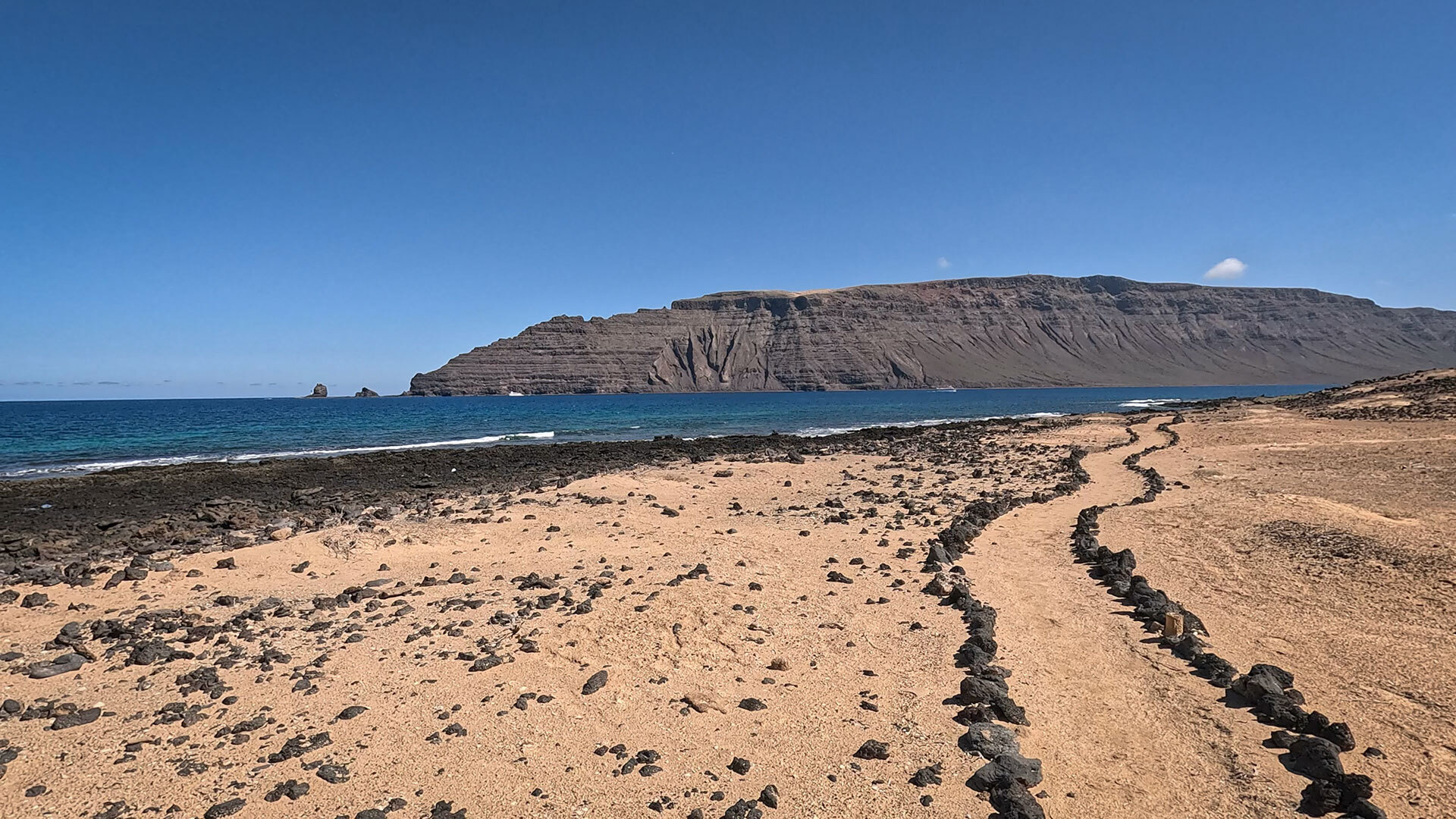
La Graciosa offers both: spectacular hiking trails and an underwater world that is among the most biodiverse in the Canary Islands. Combining the two is an obvious choice – and well worth it. You hike to a beach, put on your snorkelling mask and dive into the Reserva Marina del Archipiélago Chinijo ein.
Europe’s largest marine reserve, covering 70,000 ha, begins right on the coast: 228 species of fish, sea turtles, angel sharks (December–March) and dolphins. This isn’t an exaggeration from a tourist brochure – it’s reality beneath the surface of La Graciosa.
The best combined routes
Route 1: South Coast Loop with a snorkelling stop at Playa Francesa
| Route details at a glance | |
|---|---|
| Walk | Family-friendly South Coast Loop (9.2 km) |
| Snorkelling stop | Playa Francesa – east coast, calm waters |
| Total walking time | 3–4 hours including a snorkelling break |
| Difficulty | Easy |
| Ideal for | Families, beginners, first-time visitors to the island |
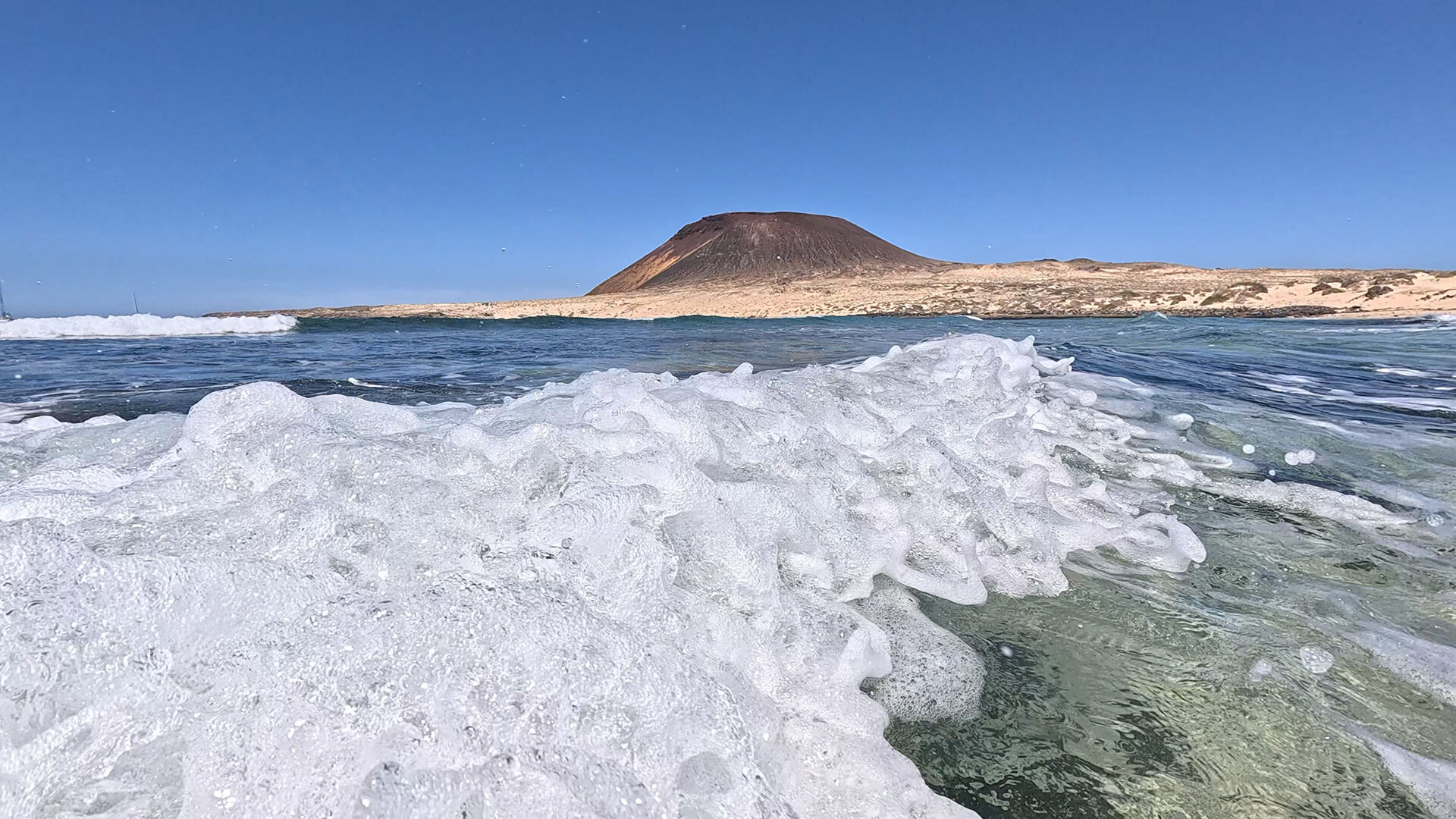
Playa Francesaclear, calm waters, lava rocks providing a habitat for fish and octopuses. Ideal for your first snorkelling trip on La GraciosaGetting in is easy, and visibility is often excellent.
Route 2: Montaña Amarilla + Playa de la Cocina
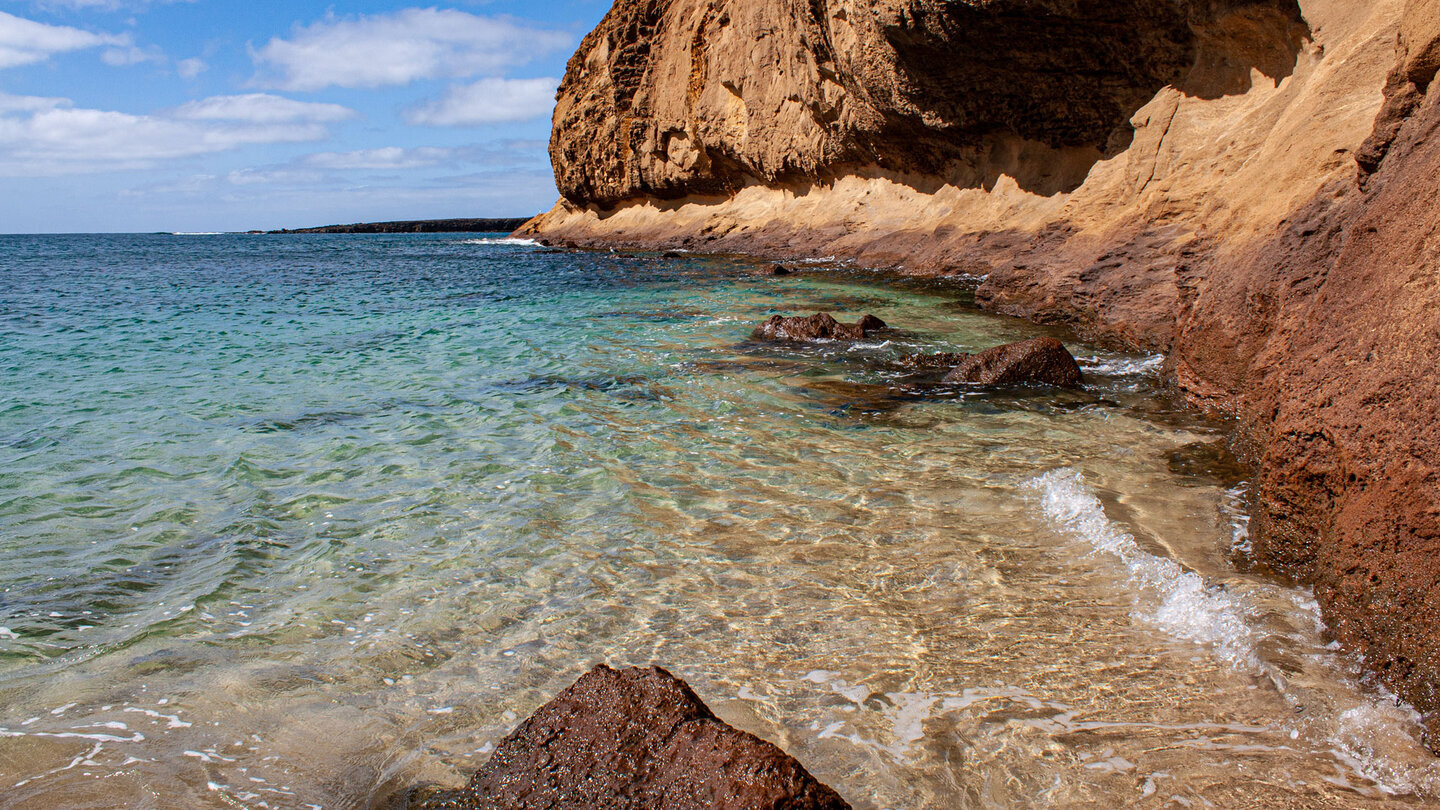
Playa de la Cocina at the foot of Montaña Amarillaturquoise water, shallow and calm – one of the best snorkelling spots on the island. After the climb to the summit, a swim here is more than well deserved. Lava rocks provide ideal habitats for fish and invertebrates.
Route 3: North Coast Trek + Playa de las Conchas
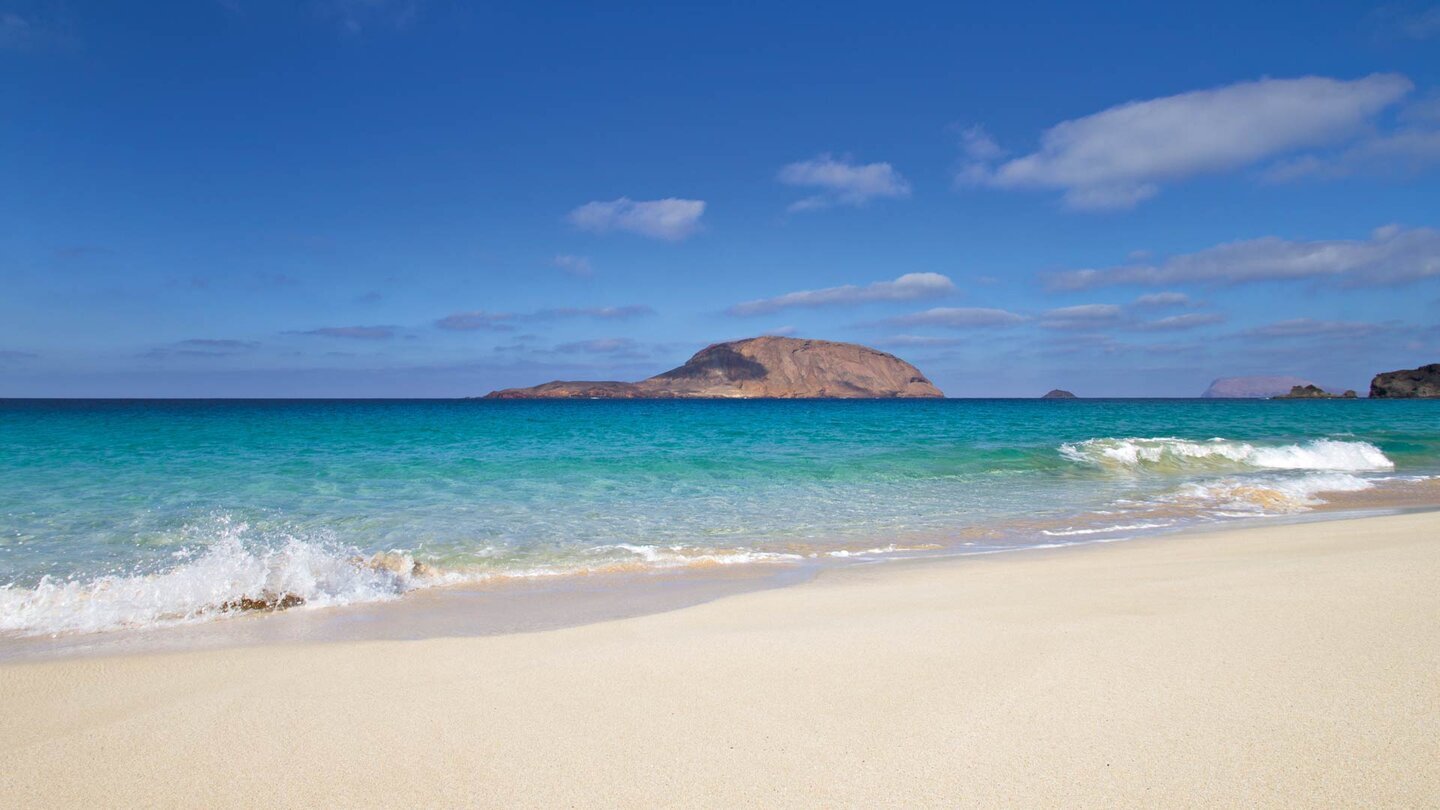
Playa de las ConchasSwimming here is often not possible (strong surf, currents). Snorkelling is only possible in absolutely calm conditions at the northern end of the beach – always check on site.
What to expect underwater
The Reserva Marina del Archipiélago Chinijo
70.000 ha Marine reserve – the largest in Europe. A ban on fishing across large parts of the reserve means: significantly more fish, larger creatures, and they are less shy. 228 species of fish have been recorded. Highlights include sea turtles (visible all year round), Angel sharks (December–March, sandy seabeds) and occasionally dolphins near the west coast.
Diving school on La Graciosa
| Providers | Telephone | Website | |
|---|---|---|---|
| Buceo La Graciosa | +34 629 45 14 30 | +34 629 45 14 30 | buceolagraciosa.com |
Practical tips
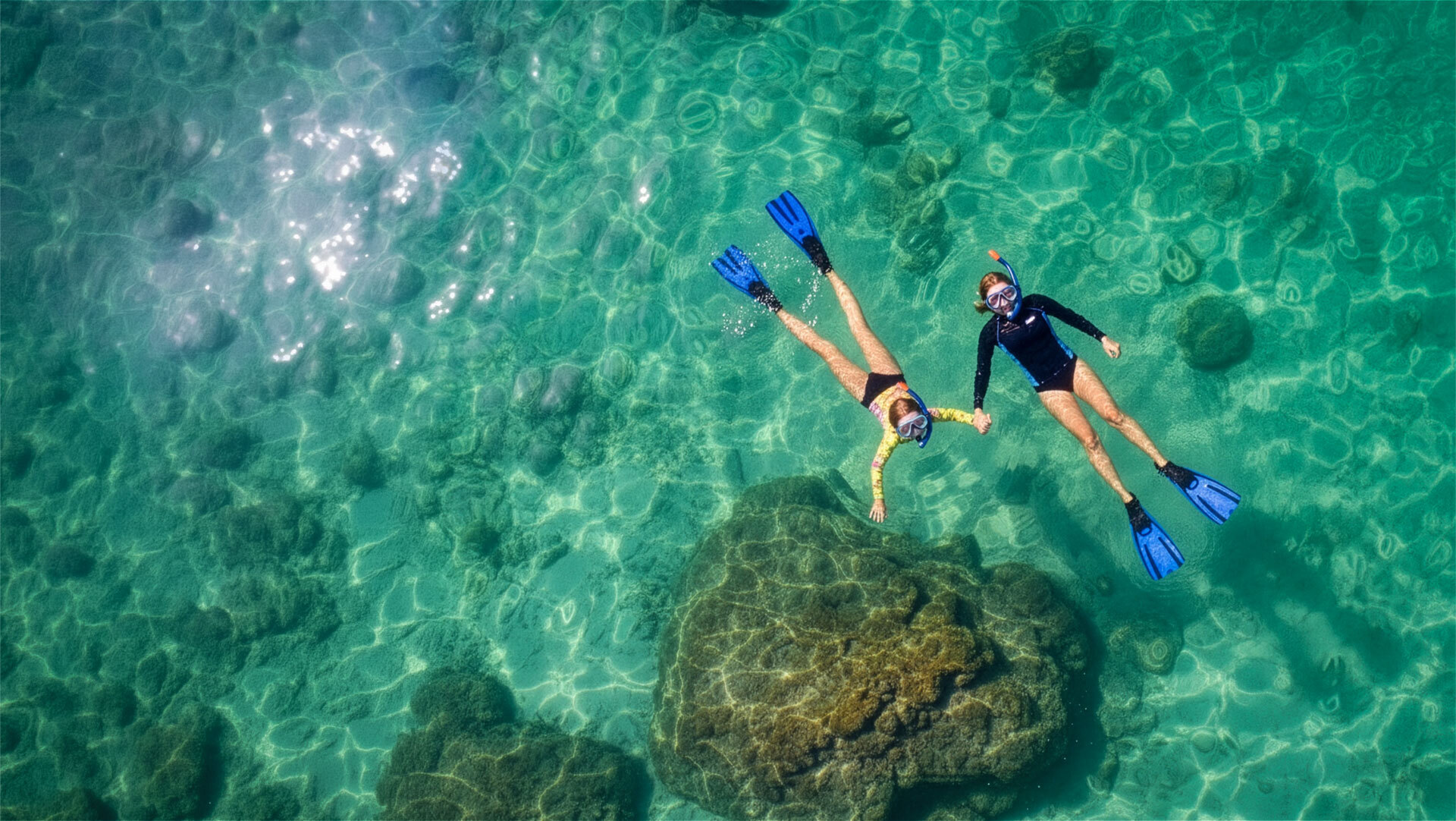
- Bring your own snorkelling gear or hire it in Caleta del Sebo
- Best time for snorkelling: mornings – calm waters and ideal light conditions
- Wetsuit recommended: water temperature 18–22 °C depending on the season
- Do not touch animals or rocks – protected area!
- Sun protection: opt for mineral-based sun cream – chemical sun cream damages corals
Frequently asked questions
No – you can go snorkelling without a licence.
A few providers in Caleta del Sebo hire out equipment. It’s more convenient to bring your own – masks, snorkels and fins aren’t available everywhere on La Graciosa.
Occasionally, especially in summer. Take a quick look at the water before entering. If there is a strong current, it’s best not to go snorkelling.
Conclusion
- Hiking + snorkelling = the complete La Graciosa experience: lava trails above and the underwater world below the surface.
- Playa Francesa and Playa de la Cocina are the best snorkelling spots along the hiking routes.
- Archipiélago Chinijo Marine Reserve: 70,000 ha, 228 species of fish, turtles, angel sharks.
This article is based on on-site research by the go-la-graciosa.com editorial team. Last updated: April 2026
GPS track & route description: sunhikes.com/de/wanderziele/spanien/lanzarote/la-graciosa