
La Graciosa: seven beaches, seven characters – unspoilt & unforgettable
Seven beaches spread across 29 km² – that sounds rather cramped. But on La Graciosa the beaches are spread across an island where you can walk for kilometres between the coves through unspoilt dunes and volcanic landscapes. No sun lounger hire, no parasol service, no beach kiosk. Just the Atlantic, sand and silence.
The beaches of La Graciosa – an overview
Every beach on La Graciosa has its own character – from a quiet family-friendly cove to a dramatic natural spectacle that you should only watch, not swim in.
15 Houses, One Harbour, No Answers – Pedro Barba
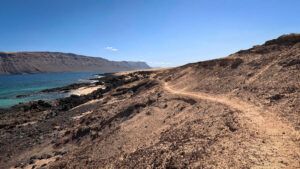
15 houses, a harbour, no answers – Pedro Barba the harbour at Pedro Barba Pedro Barba is the Ort auf La Graciosawhich raises more questions than it answers. A former fishing village that has become an exclusive holiday resort. 15 houses, a small harbour, no restaurant, no shops. Bustling for…
Pink Horizon, Empty Beach – Sunrise on La Graciosa
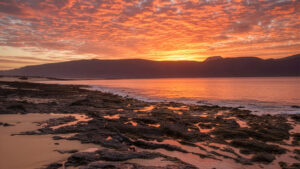
Pink horizon, empty beach – sunrise on La Graciosa Sunrise on La Graciosa La Graciosa is an eastern island – and that means: sunrise by the sea. On the eastern side of the island, the sun rises directly from the Atlantic Ocean – with the with the Famara massif on…
What You Actually Need – Beach Kit for La Graciosa
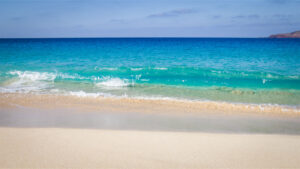
What you really need – beach essentials for La Graciosa A taste of the Caribbean on La Graciosa La Graciosa is not an all-inclusive island. There are no beach kiosks, no parasol hire, and no towel service. You’ll need to bring everything you need with you. And if you’re well…
No Sand, Only Shells – Playa del Ámbar, La Graciosa’s Most Extraordinary Beach
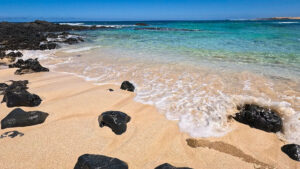
No sand, just snail shells – Playa del Ámbar, the most extraordinary beach on La Graciosa Playa del Ámbar Playa del Ámbar – also known as known as – is the most extraordinary beach on La GraciosaNot because of its length (over 600 metres), nor because of its location (on…
Rocky Coves, Silence, Underwater World – Playas de las Agujas
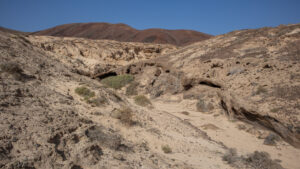
Rocky coves, tranquillity, underwater world – Playas de las Agujas Playas de las Agujas In the south-east of La Graciosa lie the Playas de las Agujas – a collective name for several small rocky coves below the volcanic cones of the same name Las Agujas Grandes (266 m) and Las…
For Explorers Only – Playa de Pedro Barba
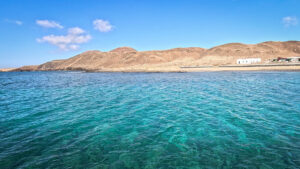
Dirt tracks versus motorways – Lanzarote and Lanzarote compared View of Lanzarote from Lanzarote A 25–30-minute ferry ride separates Lanzarote Lanzarote And yet everything sets them apart. One is large, developed, tarmacked, with an airport, hotel zones and water parks. The other is small, unspoilt, without tarmac, without hotel chains…
Safe, Shallow, Unforgettable – Beaches for Families on La Graciosa
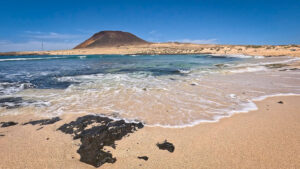
Safe, shallow, unforgettable – family-friendly beaches on La Graciosa Playa Francesa bay on La Graciosa La Graciosa isn’t your typical family holiday. No water slides, no entertainment, no pool bars. But it’s a family holiday of a different kind: the real Atlantic, white sand, no hustle and bustle, unspoilt nature.…
Naturism on La Graciosa – What Is Permitted and Where
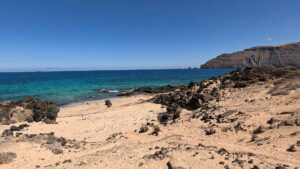
Nudism on La Graciosa – what’s allowed and where Sandy cove at Barranco de los Conejos Auf La Graciosa there are no officially designated nudist beaches. Spanish law permits nudism on beaches – provided that no one else is disturbed. On La Graciosa, this means in practice that nudism is…
Wind, Waves, Wild Atlantic – Surfing on La Graciosa
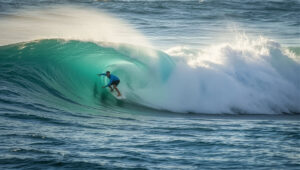
Wind, waves, the wild Atlantic – surfing on La Graciosa Surfing on La Graciosa La Graciosa is not a traditional surfing destination. No surf camps, no equipment hire, no schools. However, the north-easterly trade winds and the Atlantic swell make certain stretches of coastline interesting for experienced surfers, windsurfers and…
Safe at the Beach – What You Need to Know on La Graciosa
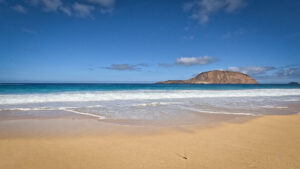
Staying safe on the beach – what you need to know on La Graciosa Playa de las Conchas La Graciosa is a nature reserve – and that applies to its beaches too. There are no lifeguards, no organised beach safety services, and no facilities at most of the beaches. This…
Breathtakingly Beautiful, but No Swimming – Playa de las Conchas
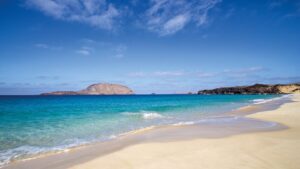
Absolutely stunning, but not a beach for swimming – Playa de las Conchas Playa de la Concha with Montaña Clara Playa de las Conchas is the most beautiful beach on La Graciosa – and one of the most beautiful in the Canary Islands. White sand, turquoise water, Montaña Clara directly…
Sheltered, Turquoise, Unforgettable – Playa de la Cocina
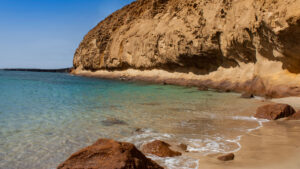
Calm, turquoise, unforgettable – Playa de la Cocina Playa de la Cocina Playa de la Cocina isn’t the best-known beach on La Graciosa – but it’s the calmest, the most sheltered and the best for snorkelling. Nestled at the foot of Montaña Amarilla (172 m)shielded from the north-easterly trade winds…
Wild, Wide, Unmistakable – North Coast Trek to Playa de las Conchas
Wild, vast, unmistakable – a trek along the north coast to Playa de las Conchas Playa de la Concha with Montaña Clara on the left and Roque del Oeste in the background Playa de las Conchas – the beach that features in every ‘best of’ list. To reach it on…
White Sand, Turquoise Water – All Beaches on La Graciosa
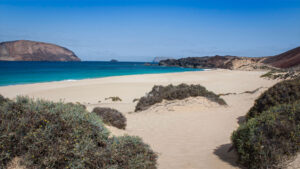
White sand, turquoise water – all the beaches on La Graciosa Dune landscape at Playa de las Conchas La Graciosa has no hotel swimming pools, no sun lounger hire firms and no queues at the kiosks. What it does have: seven beaches that look just like you’d imagine the Caribbean…
Gorge, Sand and Silence – East Coast Loop on La Graciosa
Gorge, sand and silence – a circular walk along the east coast of La Graciosa Walking trail through the Barranco de los Conejos gorge – Las Agujas in the background Circular walk along the east coast (13.8 km, 108 hm): the most leisurely of the long routes. From Caleta del…
Safe swimming on La Graciosa – the most important information at a glance
⚠️ Safety & swimming guidelines
Red flag = absolute ban on swimming – no discretion allowed
No beaches on La Graciosa are lifeguard-supervised – you swim at your own risk
Water shoes recommended on rocky beaches and when entering the water
Do not leave children unattended near the water
Emergency number in Spain: 112
Frequently asked questions about the beaches on La Graciosa
CHOOSING A BEACH
That depends on what you’re looking for. Playa de las Conchas in the north is widely considered the island’s most spectacular beach, with white sand, a dramatic volcanic backdrop, and Montaña Clara rising directly offshore. However, due to strong Atlantic currents, swimming is often unsafe. If you want to swim, Playa Francesa or Playa de la Cocina are much better choices.
Playa de la Cocina, at the foot of Montaña Amarilla, is the island’s top snorkeling spot. The water is exceptionally clear, the seabed is sandy, and marine life begins just a few steps from the shore. La Graciosa is part of the Reserva Marina del Archipiélago Chinijo, Europe’s largest marine reserve, home to more than 228 fish species.
Playa Francesa is the most family-friendly beach, offering calm, shallow water, fine white sand, and easy access. It is located just 2.5 km from the harbor and can be reached by bicycle in about 20 minutes. Keep in mind that none of La Graciosa’s beaches are supervised, so children should never enter the water without adult supervision.
SAFETY & RULES
No. None of La Graciosa‘s beaches have lifeguards, so you swim at your own risk. The beach flag system applies: a red flag means swimming is strictly prohibited—without exception. Atlantic currents, especially along the northern coast at Playa de las Conchas, can be particularly dangerous.
There are no officially designated nude beaches on La Graciosa. However, Spanish law allows nudism on beaches as long as it does not cause disturbance to others. On more secluded beaches—such as the sandy cove of Playas de las Agujas at Barranco de los Conejos—naturism is generally tolerated and rarely questioned.
GETTING THERE & LOGISTICS
All beaches are accessible only via sandy tracks, as there are no paved roads outside Caleta del Sebo. Playa Francesa can be reached by bicycle in around 20 minutes. For more remote beaches, such as Playa de las Conchas, a jeep taxi or a several-hour hike is recommended. There are no rental cars on the island.
No. None of La Graciosa‘s beaches have kiosks, beach bars, sunbed rentals, or umbrella services. Be sure to bring your own food, drinks, and beach equipment. Restaurants are available only in Caleta del Sebo.
La Graciosa has seven main beaches: Playa Francesa, Playa de la Cocina, Playa de las Conchas, Playa del Salado, Playa del Ámbar, Playa de Pedro Barba, and Playas de las Agujas. Each offers a different experience, ranging from calm, family-friendly bays to remote and dramatic natural landscapes.