
La Graciosa: where lava, the Atlantic and nature conservation create a unique world
La Graciosa is more than just a holiday destination – it’s a natural laboratory. The island forms part of the Archipiélago Chinijo Nature Park, is part of the UNESCO Lanzarote Biosphere Reserve (since 1993) and is surrounded by the Reserva Marina del Archipiélago Chinijo – one of Europe’s largest marine protected areas, covering 70,000 hectares.
What this means: 228 species of fish in protected waters, angel sharks (Squatina squatina) which enter shallow bays from December to March, ospreys which breed on Montaña Clara, and a starry sky the likes of which has not been seen in Central Europe for generations.
Volcanoes, marine reserve & wildlife – an overview of nature on La Graciosa
Five volcanic cones characterise the island’s landscape: Montaña Amarilla (172 m) with its hydrovolcanic tuff crater, Montaña Bermeja (157 m) with its reddish-brown basalt, Las Agujas Grandes (266 m) und Las Agujas Chicas (257 m) – the highest points on the island – as well as the Morro Negro.
700 People, 30 Sandy Lanes, One Harbour – Caleta del Sebo
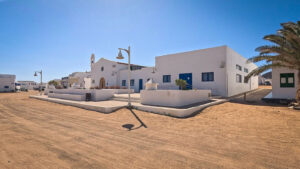
700 people, 30 narrow streets, a harbour – Caleta del Sebo View across the harbour at Caleta del Sebo When the ferry docks, you arrive in Caleta del Sebo – and for most people, that’s their first and last encounter with the village. They pick up their bikes, cycle to…
Respect is Mandatory – Natural Park Rules on La Graciosa
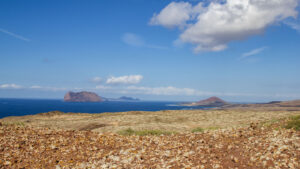
Respect is essential – Nature Park rules on La Graciosa Parque Natural del Archipiélago Chinijo La Graciosa is situated in the Archipiélago Chinijo Nature Parkforms part of the UNESCO Lanzarote Biosphere Reserve and borders the Archipiélago Chinijo Marine Reserve – Europe’s largest marine protected area. These three protected statuses mean…
Sandy Lanes, Fishing Boats, Island Life – Village Walk through Caleta del Sebo
Sandy lanes, fishing boats, island life – a stroll through the village of Caleta del Sebo Visitors on the harbour wall at Caleta del Sebo Caleta del Sebo~700 inhabitants, no tarmac roads, fishing boats in the harbour. Many visitors head straight for the beaches and miss the village. What they’re…
Fishing Boat Instead of Crucifix – the Church of La Graciosa
A fishing boat instead of a crucifix – the church on La Graciosa Iglesia de Nuestra Señora del Carmen in Caleta de Sebo In Caleta del Sebo stands a small white church – the Iglesia Nuestra Señora del CarmenWhat looks from the outside like a typical Canarian village church has…
Flat, Camouflaged, Fascinating – Angel Sharks on La Graciosa
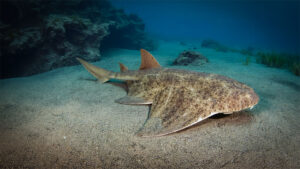
Flat, well-camouflaged, fascinating – angel sharks on La Graciosa Angel shark (Squatina) Angel sharks – in Spanish Angelote (Squatina squatina) – are the most fascinating sharks in the Canary Islands. Not because they are dangerous – they aren’t. But because they are so different from anything one would normally imagine…
Rabbit Ravine & Quiet Beach – Barranco de los Conejos
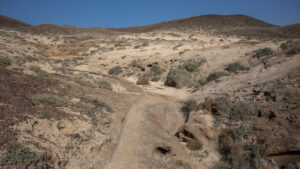
Kaninchenschlucht & stiller Strand – Barranco de los Conejos Barranco de los Conejos Barranco de los Conejos – Barranco de los Conejos – is one of the best-kept secrets on La GraciosaA narrow gorge that opens out towards the east coast and ends in a small sandy cove. Accessible only…
Volcanoes, Dunes, Atlantic – the Nature of La Graciosa
Volcanoes, dunes, the Atlantic – nature on La Graciosa La Graciosa with Montaña Bermeja and the islands of Montaña Clara and Alegranza La Graciosa is a natural island. Not in the tourist sense – but as a description. 29 km² of volcanic cones, basalt coasts, sand dunes and the turquoise…
Ospreys, Falcons, Shearwaters – Birds of the Chinijo Archipelago
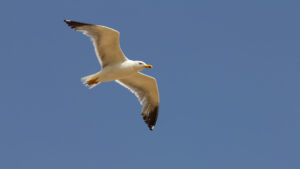
Ospreys, falcons, shearwaters – birds in the Chinijo Archipelago La Graciosa does not itself have any large bird colonies – the actual breeding grounds are the uninhabited neighbouring islands Montaña Clara und AlegranzaBut from La Graciosa you can see them: ospreys circling above the water; Eleonora’s falcons resting during their…
Eye to Eye with a Sea Turtle – on La Graciosa
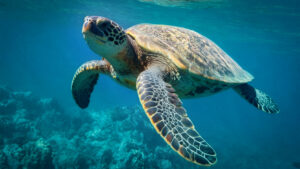
Face to face with a sea turtle – on La Graciosa Loggerhead sea turtle (Caretta caretta) There are moments you never forget. A sea turtle underwater, which looks at you briefly before gliding majestically on. On La Graciosa this is no coincidence – it’s the norm. The Reserva Marina del…
Fluking in the Atlantic – Dolphins and Whales off La Graciosa
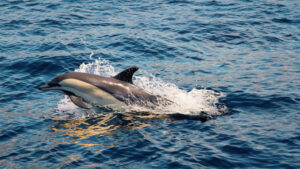
Marine life in the Atlantic – dolphins and whales off La Graciosa Gemeiner Delfin (Delphinus delphis) The west coast of La Graciosa marks the boundary between the protected island waters and the open Atlantic. Here, where the turquoise shallows give way to the blue depths, dolphins and occasionally whales can be…
Lava, Tuff and Time – the Geology of La Graciosa
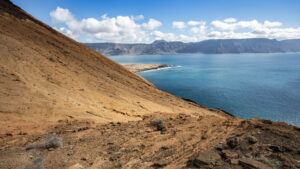
Lava, tuff and time – the geology of La Graciosa Montaña Amarilla against the backdrop of the Famara massif La Graciosa is geology you can experience first-hand. No museum display cases, no educational panels – just the open landscape, revealing the legacy of millions of years of volcanic activity. A…
Green Despite Sand and Salt – the Flora of La Graciosa
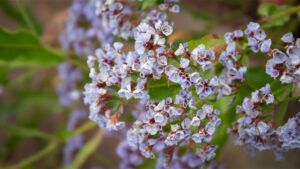
Green despite the sand and salt – the flora of La Graciosa Perez sea lavender (Limonium perezii) La Graciosa is not a green island. No rainforest, no lush vegetation, no tall trees. What the island does have is a specialised flora that has learnt to cope with salt, wind, drought…
70,000 Hectares of Protected Sea – the Marine Park of La Graciosa
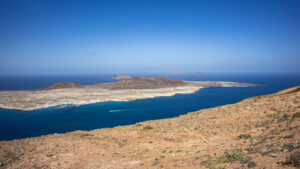
70,000 hectares of protected sea – the La Graciosa Marine Park View of the Chinijo Archipelago off Lanzarote The term Reserva Marina del Archipiélago Chinijo sounds abstract. The reality is very real: 70,000 hectares of the Atlantic Ocean, where strict conservation rules have been in place for decades. The result…
Stacked Basalt, Crashing Surf – Los Arcos de los Caletones
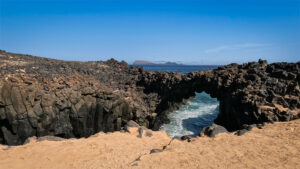
Stacked basalt, roaring surf – Los Arcos de los Caletones Los Arcos de los Caletones Los Arcos de los Caletones is one of the most spectacular geological formations on La GraciosaOn the island’s north coast, over thousands of years the sea has exposed hard layers of basalt and eroded softer…
Nature & conservation at a glance
Five volcanic cones characterise the island’s landscape: Montaña Amarilla (172 m) with its hydrovolcanic tuff crater, Montaña Bermeja (157 m) with its reddish-brown basalt, Las Agujas Grandes (266 m) and Las Agujas Chicas (257 m) – the highest points on the island – as well as the Morro Negro.
The Reserva Marina del Archipiélago Chinijo (70,000 ha) protects one of the most intact marine ecosystems in the Canary Islands. Diving only with an authorised operator: Buceo La Graciosa (buceolagraciosa.com)
- Angel shark (Angelote): December to March in shallow waters – critically endangered worldwide
- Osprey (Pandion haliaetus): breeds on Montaña Clara – one of the last breeding sites in Europe
- Sea turtles: regularly observed in the Reserva Marina
- Bottlenose dolphins: regular visitors to Canarian waters – riding the bow of catamarans
Nature conservation – what applies
🚫 Wild camping prohibited · Camping at Camping El Salado only
🚫 Campfires prohibited · Throughout the entire island
🚫 Vehicles prohibited off-road · certified jeep taxis only
🚫 Landing on Alegranza, Montaña Clara, Roque del Este & Roque del Oeste is prohibited
Frequently asked questions about nature, wildlife & nature conservation on La Graciosa
FAUNA & WILDLIFE
Yes – but not dangerous ones. The angel shark (Squatina squatina), known locally as angelote, can be found in the shallow bays around La Graciosa from December to March. Flat like a ray, it rests on the sandy seabed and is considered harmless to humans. Critically endangered worldwide, the Archipiélago Chinijo Marine Reserve provides one of its last important refuges in Europe.
The island and its surrounding waters are rich in wildlife. In the sea, you may encounter sea turtles, angel sharks (in winter), dolphins, barracudas, and more than 228 fish species. Birdlife includes ospreys, Eleonora’s falcons, and shearwaters. On land, you’ll find endemic lizards, rabbits, and various coastal birds. The nearby uninhabited islands of Montaña Clara and Alegranza are important seabird breeding grounds.
Yes. Common bottlenose dolphins are present year-round and are often seen riding the bow waves of boats. Pilot whales and sperm whales visit the area seasonally. Boat trips departing from Caleta del Sebo offer excellent opportunities for marine wildlife sightings.
Yes – and sightings are not uncommon. The protected waters of the Archipiélago Chinijo Marine Reserve have been safeguarded for decades, allowing sea turtles to thrive. They are regularly spotted while snorkeling at Playa de la Cocina or during boat excursions around the island.
NATURE CONSERVATION & GEOLOGY
The Archipiélago Chinijo Marine Reserve covers approximately 70,000 hectares, making it one of the largest marine protected areas in Europe. It surrounds La Graciosa and its neighboring uninhabited islands. Strict conservation measures have been in place for decades, including restrictions on independent scuba diving and fishing without permits. As a result, it is home to one of the richest marine ecosystems in the Canary Islands.
Five volcanic cones define the island’s landscape. Montaña Amarilla (172 m) is famous for its hydrovolcanic tuff crater. Montaña Bermeja (157 m) is known for its reddish-brown basalt. Las Agujas Grandes (266 m) and Las Agujas Chicas (257 m) dominate the northern skyline, while Montaña del Mojón (189 m) is another prominent volcanic peak.
SPECIAL NATURE EXPERIENCES
Yes – and exceptionally well. La Graciosa is one of the darkest inhabited places in the Canary Islands, with virtually no industrial lighting and very few streetlights outside Caleta del Sebo. On clear nights, the Milky Way stretches visibly from horizon to horizon. Best viewing conditions are typically from March to May and September to November.
No. Although it is not a national park, La Graciosa enjoys three layers of environmental protection: the entire island is part of the Archipiélago Chinijo Natural Park, it belongs to the UNESCO Lanzarote Biosphere Reserve (since 1993), and it is completely surrounded by the Archipiélago Chinijo Marine Reserve. This combination of protected statuses is unique in Spain.